

French astronaut Sophie Adenot has returned to Earth after nearly eight months aboard the International Space Station. No other European astronaut has spent so long in space on a single mission. She is now undergoing a medical rehabilitation program in Cologne, where doctors are monitoring how her body readjusts to Earth’s gravity.
More Than Two Hundred Days in Orbit
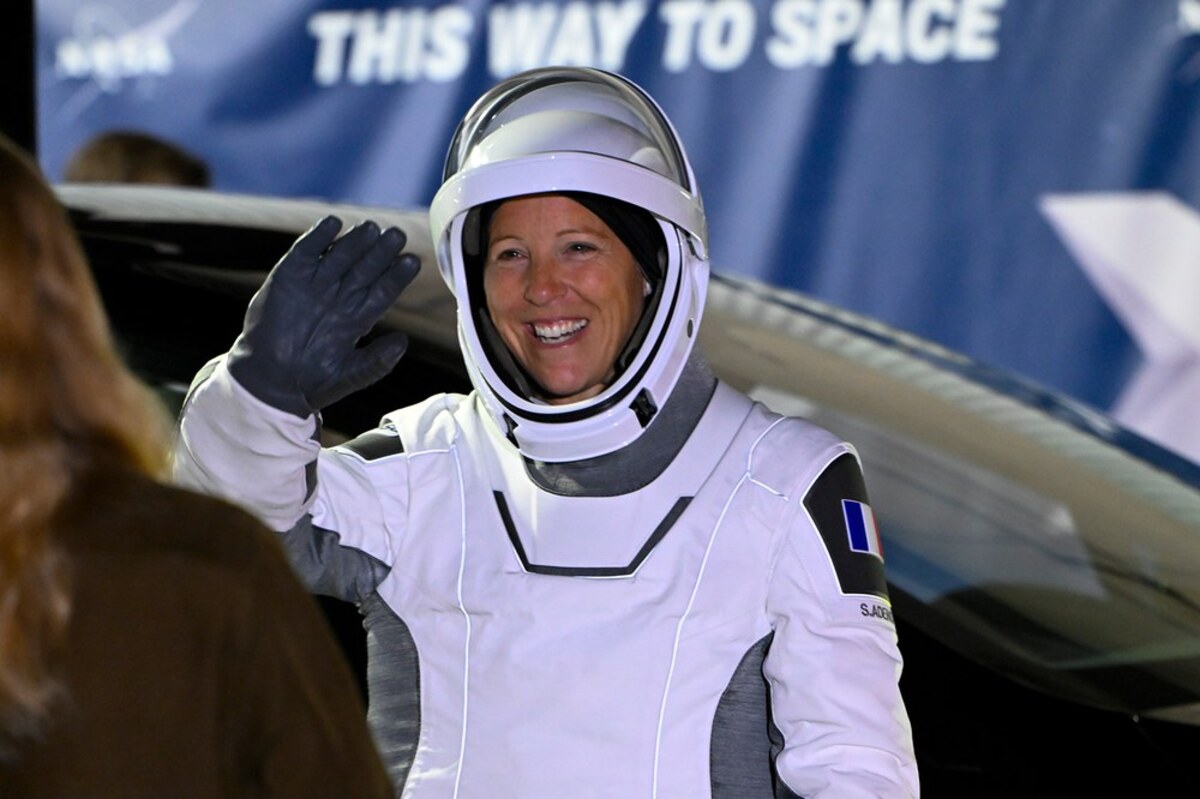
Sophie Adenot departed for the International Space Station on February 13, 2026, aboard a SpaceX Crew Dragon spacecraft as part of Crew-12. According to ESA, her mission was named Epsilon. In early September, she passed the milestone of 200 days in orbit, and splashdown took place on October 8. Approximately 237 days elapsed between launch and return.
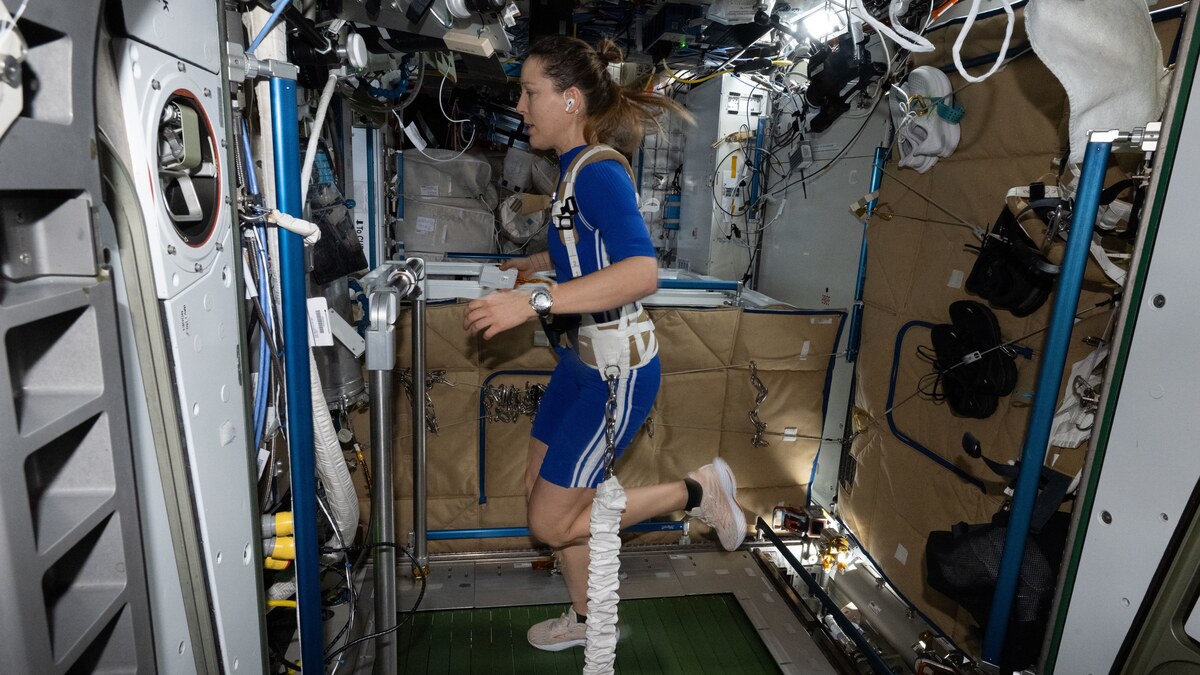
During that time, Sophie Adenot performed three spacewalks. All three took place within 15 days, and she spent a total of nearly 20 hours outside the station. For comparison, Samantha Cristoforetti spent approximately 199 days in orbit during her 2014–2015 mission—more than a month less.
What Weightlessness Changes
Prolonged exposure to weightlessness changes blood circulation, balance, muscle function, and the distribution of fluids in the body. After splashdown, the body gradually becomes accustomed to gravity again.
Flight surgeon Bimba Hoyer explains that the eyes change in space, including changes in visual acuity, and the optic nerve can thicken. Coordination on Earth is initially difficult. Even turning a corner becomes a challenge. Blood pressure and the back muscles, which simply do not have to work aboard the station, require particular attention.
Not every such change represents a medical problem. Most are expected consequences of a long-duration flight, so astronauts follow an established training program to readjust to conditions on Earth.
A Doctor by Her Side from the Beginning
According to a release from the German Aerospace Center (DLR), Bimba Hoyer represents DLR’s Institute of Aerospace Medicine and ESA. She supported Sophie Adenot throughout the mission and monitored her condition in real time during spacewalks from NASA’s mission control center in Houston.
They began working together 21 months before launch. During that time, Bimba Hoyer learned to compare examination results with the astronaut’s own accounts, since measurements alone do not provide a complete medical picture.
A Direct Journey to Cologne
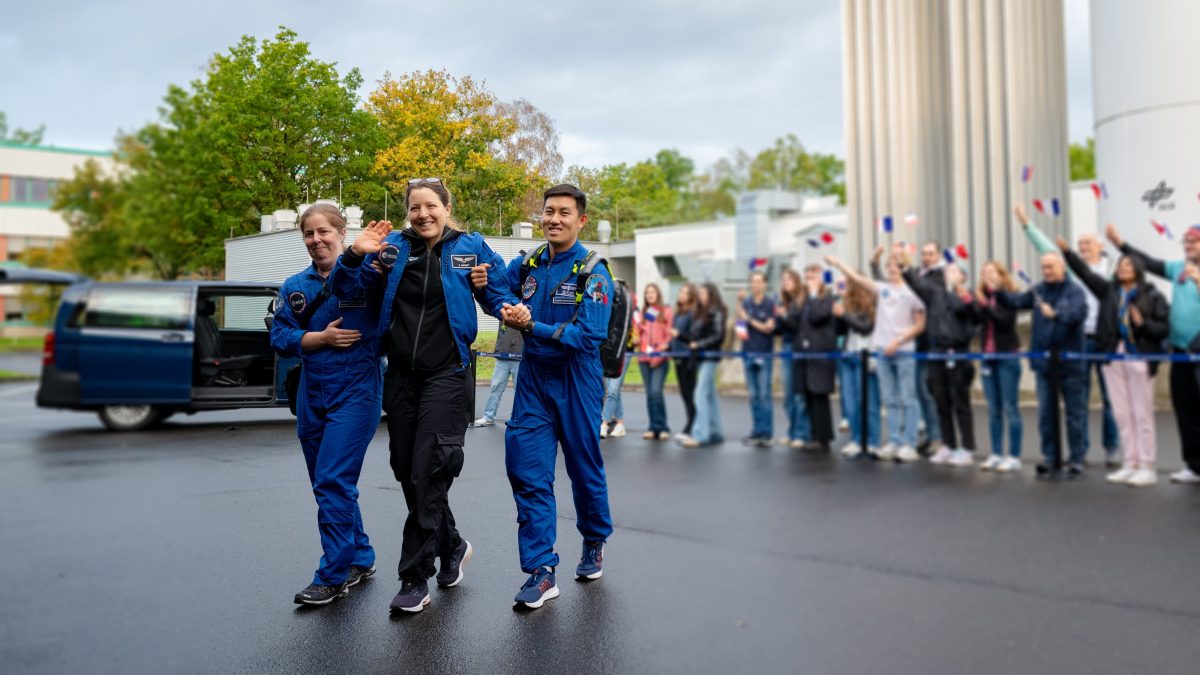
The Direct Return program provides for a flight to DLR’s aerospace medicine research center in Cologne immediately after splashdown. Almost all ESA astronauts have returned this way since 2014. Alexander Gerst was the first to follow this route after his Blue Dot mission.
The center combines laboratories with a residential area containing bedrooms, a kitchen, and a living room, where crew members and their families can rest after the flight. The program lasts between 10 and 14 days. Sophie Adenot arrived on the morning of October 10. Specialists from DLR and ESA will work with her over the next two weeks.
Rehabilitation here is combined with experiments considered just as much a part of the mission as work aboard the station. The resulting data inform training before, during, and after spaceflight, as well as other measures to counteract the effects of weightlessness on the human body.
