

As always, on the last Sunday in October, Ukraine switches back from daylight saving time to standard time. On the 25th of this month at 4 a.m., clocks will need to be set back one hour.

Setting the clocks
This Sunday, October 25, Ukraine will once again change its clocks. This is commonly referred to as “switching to standard time,” although that phrasing is not entirely accurate. In fact, the country is simply returning to standard time. Nevertheless, it will appear that the clocks must be set back by one hour.
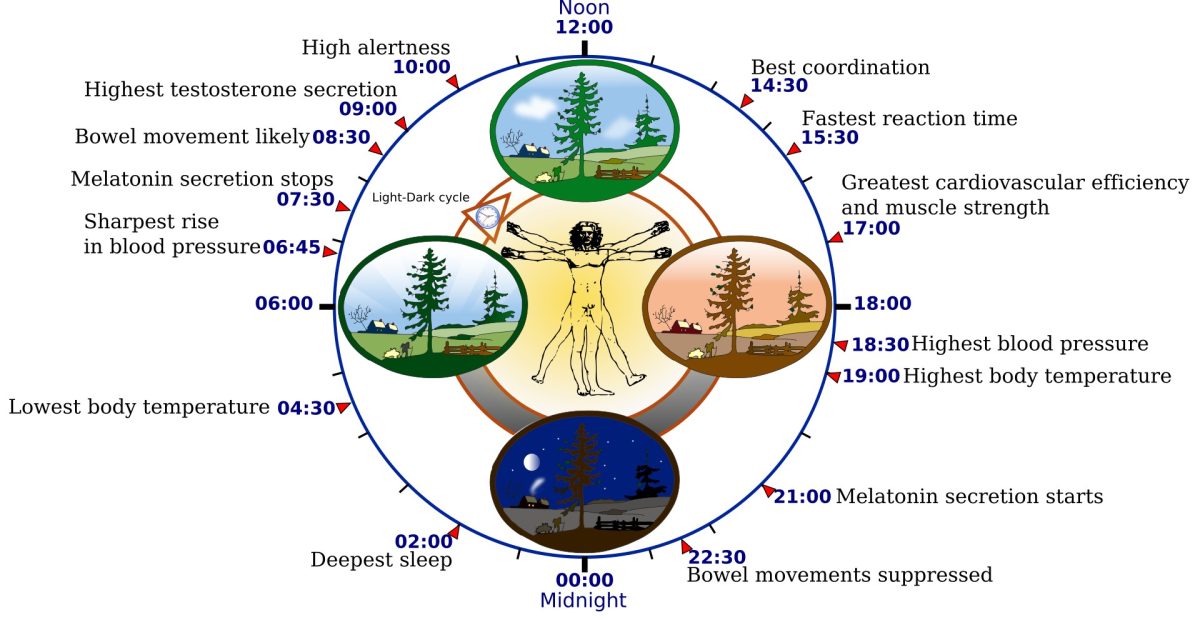
The need to adjust clocks arose as people began dividing the day not only into daytime and nighttime, but also into hours, thereby aligning the operating schedules of businesses and institutions accordingly. However, the human biological clock does not readily adapt to sudden changes in routine. The body adjusts more easily when its daily activity cycle can gradually adapt to similarly gradual changes in lighting.
Ultimately, it became clear that this creates a significant discrepancy for countries at high latitudes (that is, those located far from the equator). A schedule aligned as closely as possible with winter daylight hours results in excessive morning daylight during the summer—when it cannot be used effectively — and insufficient daylight in the evening, when people could otherwise engage in leisure activities.
Standard Time and Daylight Saving Time
This situation is further complicated by the existence of so-called time zones. In each region, noon occurs at a particular time, which typically differs from Greenwich Mean Time (GMT, taken as zero) by a whole number of hours. This system facilitates the synchronization of processes both within individual regions and across the globe; however, it can also result in the Sun rising earlier or later than the clock indicates.
In summary, people are rarely entirely satisfied with the time of day. Since the 19th century, however, scientists and governments worldwide have sought to address this issue by advancing clocks by one hour during the summer. This adjustment results in less daylight in the morning and more in the evening. This practice is known as the transition to daylight saving time.
Several decades ago, most countries located far from the equator adopted daylight saving time. However, an important clarification is necessary: this applied to national time systems, including those in Western Europe, but not to Coordinated Universal Time (UTC). UTC does not have a “summer” version.
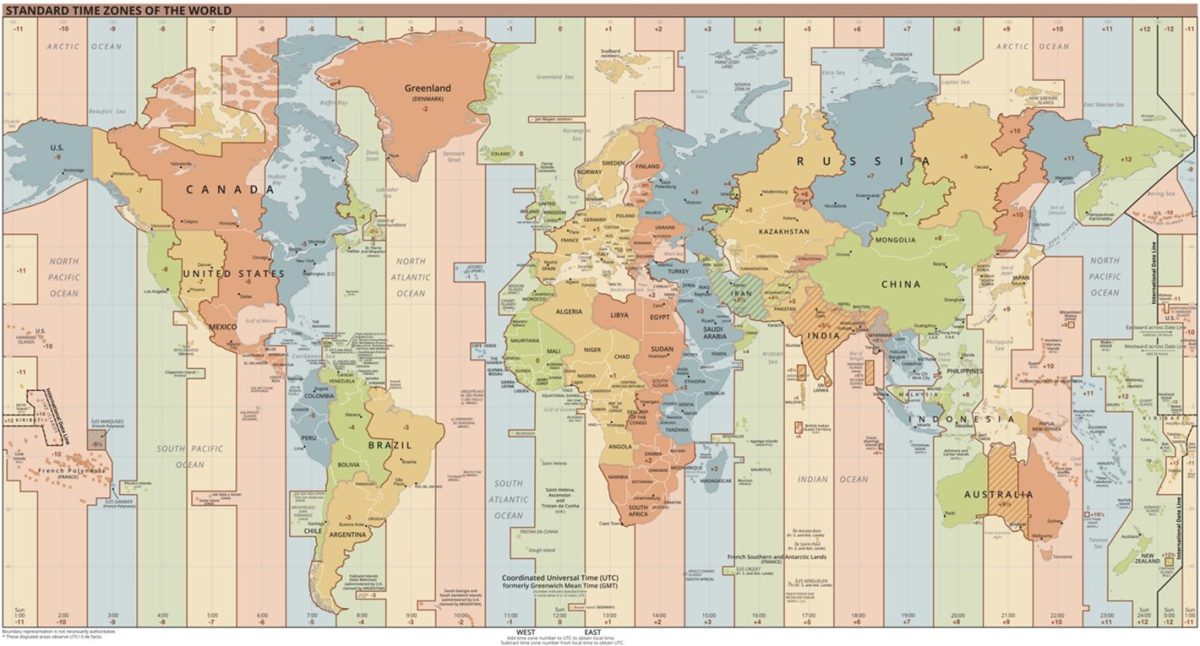
Coordinated Universal Time (UTC) is frequently used to specify the timing of space launches, as launch vehicles and satellites cross time zones at considerable speeds. Accordingly, when planning a spacecraft launch or following an event in another country, it is important to remember that the time in a given time zone may differ from Coordinated Universal Time by varying numbers of hours during summer and winter.
Why Daylight Saving Time will not be abolished
It is important to remember that the transition to daylight saving time was adopted in a markedly different era, when most people worked in large factories, on farms, or in offices filled with paperwork. In these settings, daylight was especially valuable, and the cost of turning on lights an hour earlier was economically high.
However, in today’s world, where household appliances and computers used for remote work account for most energy consumption, this practice is no longer as important. Moreover, working hours are becoming increasingly flexible. Consequently, the challenge of synchronizing our biological clocks with the time displayed on clocks has become more prominent. This mismatch is a significant source of stress, which was previously less consequential than the darkness experienced during the hours when people remained active.

This stress has now taken center stage and has become the primary argument in favor of abolishing daylight saving time. However, the issue is more complex than it may initially appear. Many institutions and organizations — which are often overlooked but remain vital to the functioning of the state — are highly dependent on maintaining their regular work schedules.
Even more sensitive are the structures connecting the country with European nations. Several years ago, the European Union adopted a declaration affirming that each country may independently decide whether to observe daylight saving time. To date, however, only Iceland has exercised this right.
The reason is straightforward: unless the transition is canceled by everyone simultaneously, the coordination essential to the convenience of daily life and the efficiency of the economy is undermined. This is precisely why the President of Ukraine has not yet signed the law abolishing the switch to standard time, which the Verkhovna Rada passed several years ago. The situation is indeed complex.
That said, experience has shown that Zelenskyy could sign this law at any time. However, even if he signs it tomorrow, this will not prevent the clocks from being changed this time, as the change will, in fact, restore standard time. Conversely, there will be no need to change the clocks in the spring.
