

When scientists acquired the capability to analyze the spectra of celestial objects in detail and ascertain their chemical composition, one substance in particular attracted their attention — water. Researchers have now identified that water exists abundantly beyond Earth, and this discovery has significantly impacted our understanding of space.

The greatest enigma of the universe
Water is a compound composed of a single oxygen atom and two hydrogen atoms. Its presence in celestial bodies is particularly intriguing to scientists, as it prompts the fundamental inquiry regarding the potential for life to exist there. However, what explains the heightened focus on water?
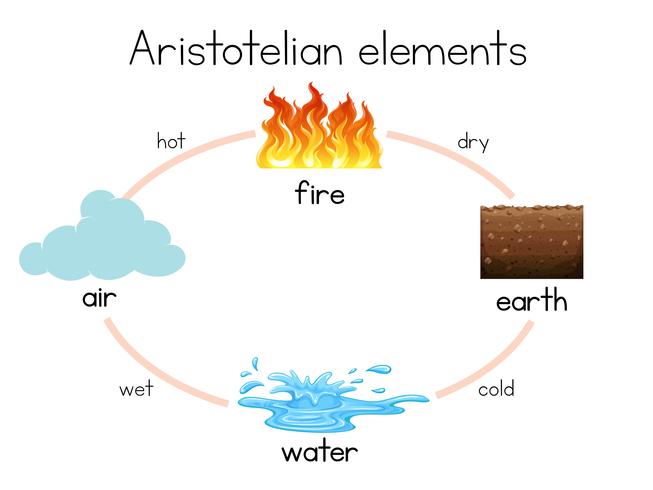
The response to this inquiry is inherently linked to another: the degree to which extraterrestrial realities resemble those observed on Earth. This question has engaged philosophers for approximately 2,000 years. However, during that period, scientists’ comprehension of terrestrial processes was considerably limited. Atmospheric phenomena, forest fires, rivers, mountains, animals, and plants were all perceived as consequences of merely four elements: water, fire, earth, and air.
At least, that is what Aristotle — the preeminent scientific authority for the next thousand years — and his teacher Plato asserted. There was no consensus regarding the composition of the celestial spheres — spheres believed at the time to encircle the stationary Earth — but the fifth element, the ether, was cited as their primary constituent. Consequently, the celestial was distinguished from the earthly even at the level of its composition. After all, no one could physically touch it and deny its nature.
Centuries elapsed, during which humanity accumulated considerable knowledge. Newtonian mechanics came to dominate the field of astronomy, and it became evident that the motion of celestial bodies adheres to the same laws that govern objects on Earth. Concurrently, Aristotle’s theory of the four elements started to diminish in credibility, making room for modern atomic theory and thermodynamics, which ultimately succeeded in explaining all transformations of matter as chemical reactions.
Nevertheless, the question of whether it is impossible to touch and examine particles from space within a laboratory setting remained unresolved. This, it appears, transformed the inquiry into whether there exists a location in space analogous to Earth into one to which scientific investigation cannot provide an answer. It is unsurprising that the 18th-century philosopher Immanuel Kant described the starry sky and the realm within the human soul as the two phenomena that we cannot comprehensively understand through rational means.
Water as the foundation of life
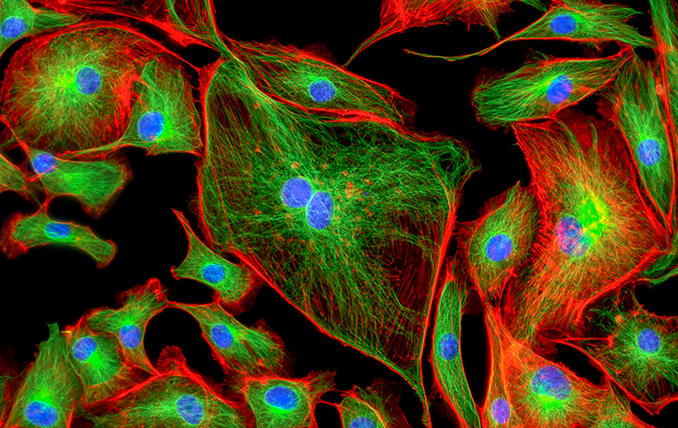
However, the 19th century brought about significant changes in this domain. On one hand, spectroscopy was developed, enabling the determination of the chemical composition of any object, regardless of its distance, without physical contact; on the other hand, biochemistry and cell theory emerged. It became evident that life, too, is a series of chemical processes occurring in aqueous solutions, and that even each individual cell of a living organism can be regarded as a microscopic reservoir encapsulating these processes.
It appears that at the onset of the 20th century, scientists possessed all necessary opportunities to detect extraterrestrial life. However, as humanity’s understanding of the surrounding world expanded, there was a corresponding increase in the belief that the answer to whether life — or rather, the conditions necessary for its existence — exists beyond Earth was most probably negative.
This caused further pessimism, as it was revealed that humanity had dedicated numerous centuries to overcoming what appeared to be a fundamental barrier to “touching” space, solely to find that it was devoid of life.
This was predominantly attributable to the constraints inherent within 20th-century technological capabilities. It facilitated spectroscopic investigations primarily focusing on celestial bodies within the Solar System and stars that possess adequate quantities of both hydrogen and oxygen; however, these studies were limited to observing molecules where these elements are not properly combined.
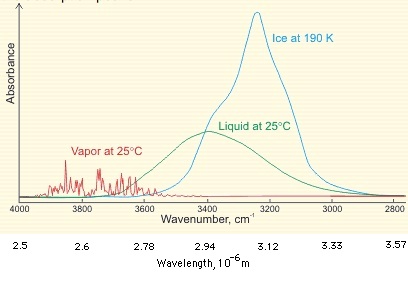
What renders liquid water distinctive are its chemical properties. It dissolves a substantial amount of inorganic substances, while large organic molecules can merely float freely within it and attach individual atoms and groups of atoms with relative ease. Other substances either decompose organic matter too readily or, conversely, are incapable of dissolving certain substances or hinder the formation of stable solutions.
This is precisely why the quest for liquid water in extraterrestrial environments during the 1990s emerged as a principal objective of contemporary astronomy, as a favorable response would inherently imply the existence of conditions conducive to life — and potentially life itself — somewhere. This enthusiasm persists to the present day.
There is a considerable amount of water present in space
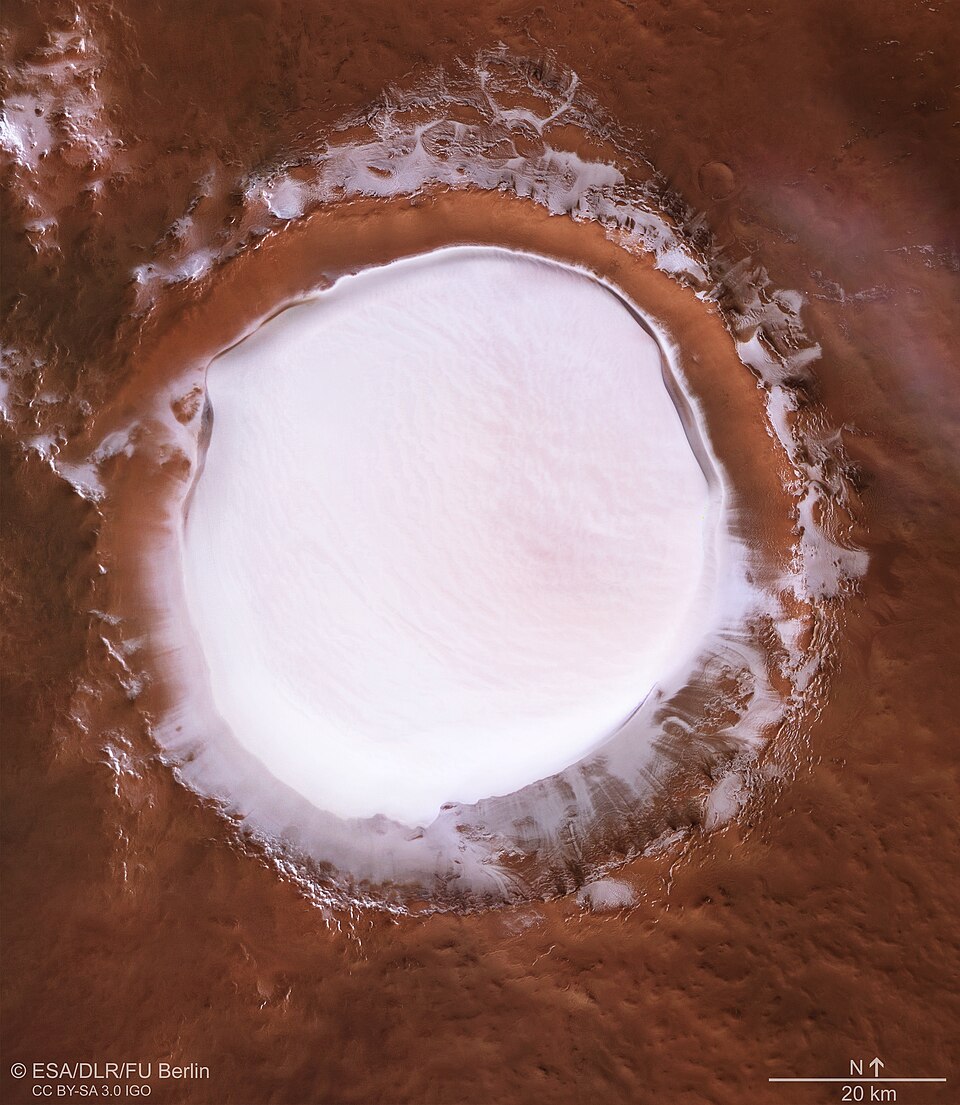
During the 1990s and 2000s, the prevailing perspective concerning water in space commenced a significant evolution. It was established that water, primarily in the form of ice, exists even at the Moon’s poles. Additionally, on Mars, water may exist in a liquid state, albeit as supersaturated solutions.
In the outer regions of the Solar System, however, the quantity of ice was found to be nearly comparable to that of rock. Specifically, the moons of the giant planets predominantly comprise ice and may potentially contain it in liquid form at certain depths.
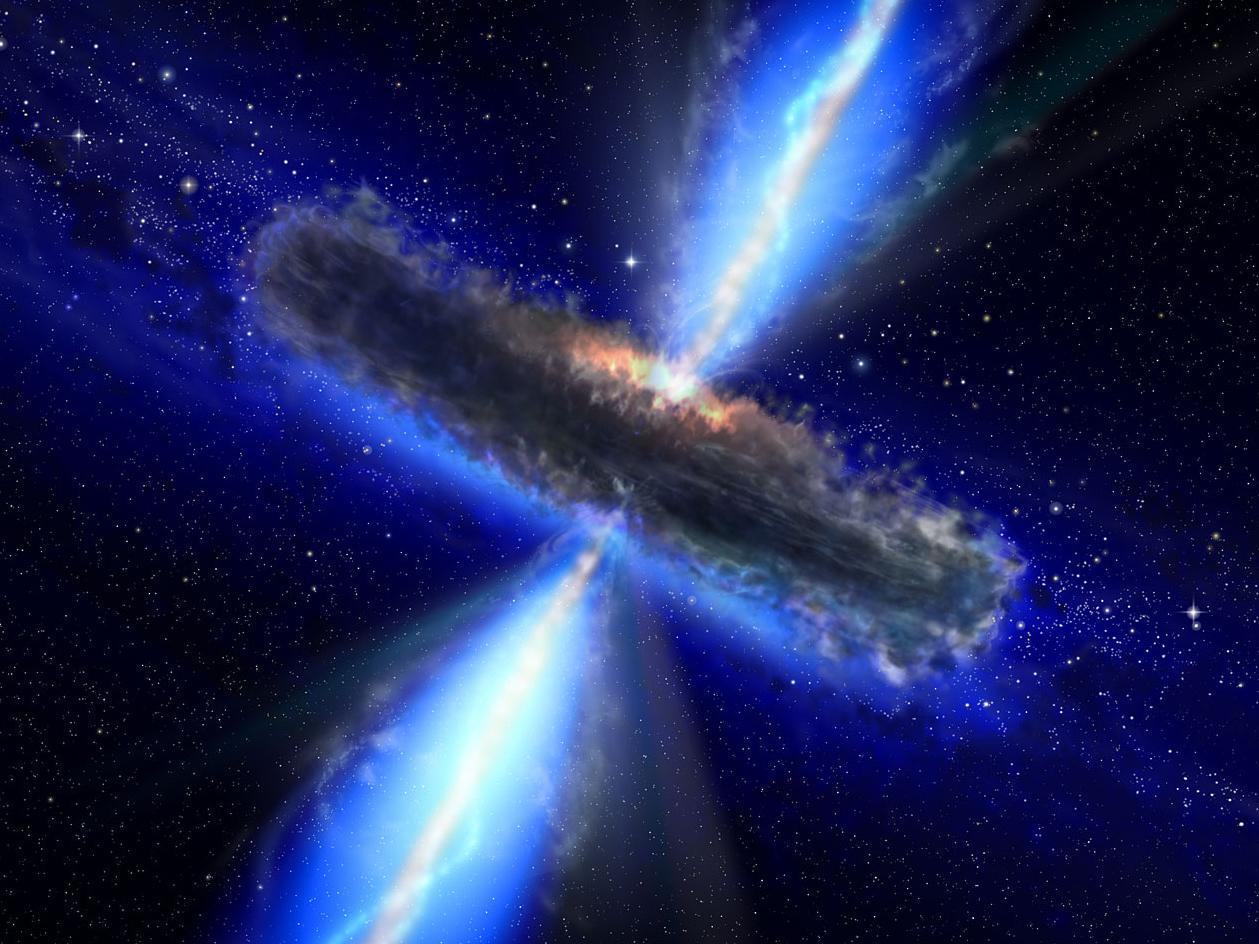
Water has also been detected beyond the Solar System — initially in proximity to quasars, and subsequently within cold gas and dust clouds. In 2010, it was established that water, as a substance, is not as scarce in the universe as previously believed, and that it predates the formation of the Solar System.
In essence, water itself is not considered particularly significant; however, out of habit, individuals persist in discussing every occurrence of its detection as a potential indication of extraterrestrial life.
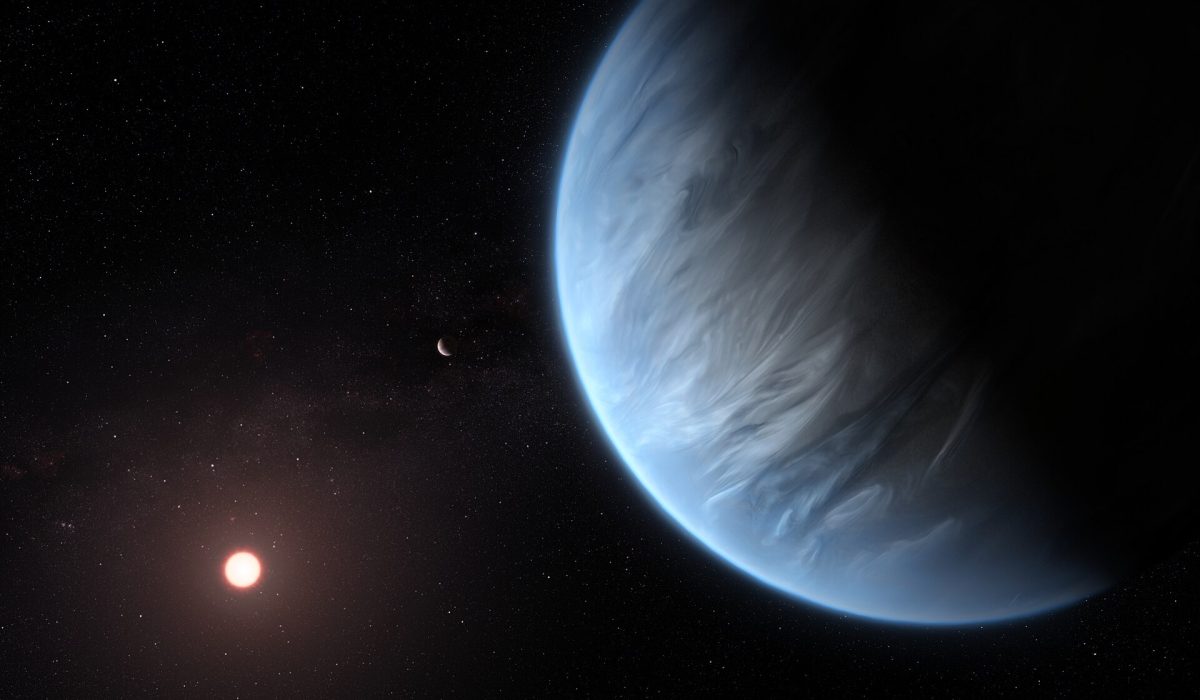
A noteworthy instance is the case of the exoplanet K2-18 b. Initially, in 2019, water vapor was identified through spectroscopic analysis. Subsequently, methane and other organic compounds were also discovered. Ultimately, in 2025, the detection of dimethyl sulfide garnered considerable attention, with many asserting that it indicated potential signs of life.
Nevertheless, the researchers who have been examining it over numerous years exercise considerable caution in their assertions, and this prudence is justified. Indeed, K2-18 b is characterized as a super-Earth that exceeds our planet in size by a factor of 2.6 and is approximately 8.63 times more massive.
Research indicates that it is probable that the celestial body in question is a “Hycean” — a planet characterized by a surface entirely submerged beneath an ocean several hundred kilometers in depth. Situated above this body is presumably a dense atmosphere, which does not contain substantial quantities of oxygen. This atmosphere primarily comprises hydrogen and a minor proportion of water vapor.
It is highly probable that the planet experiences a significant greenhouse effect; however, even if the surface temperature remains within a habitable range for life on Earth, the atmospheric pressure renders the existence of living organisms impossible.
Therefore, should we proceed to search for water?
Overall, the circumstances concerning K2-18 b demonstrate the extent to which the “water is life” paradigm can influence our understanding. However, it is important to recognize that numerous other factors are equally significant; nonetheless, many individuals persist in relying on concepts that originated during a period when it was assumed that this substance was rare in the cosmos.
The fact remains that the existence of water, even in its liquid state, no longer serves as the definitive indicator of life in space. Researchers have identified a considerable number of relatively complex organic molecules in such environments, including constituents of DNA, RNA, and proteins.
The stage at which complex chemical reactions may be regarded as indicative of life remains a subject of debate. Nevertheless, it is now evident that the initial steps in this process occurred when these molecules were still in space, with the most liquid water they contained existing as thin films on the surfaces of silicate grains.
Therefore, should we investigate the presence of water in space? Certainly, particularly if it exists in liquid form, as it remains the fundamental medium for sustaining life. Should every discovery of water be regarded as a groundbreaking revelation that challenges our current understanding of space? Not necessarily, as we already recognize that space is inhabited by life, at least in its simplest manifestations.
