

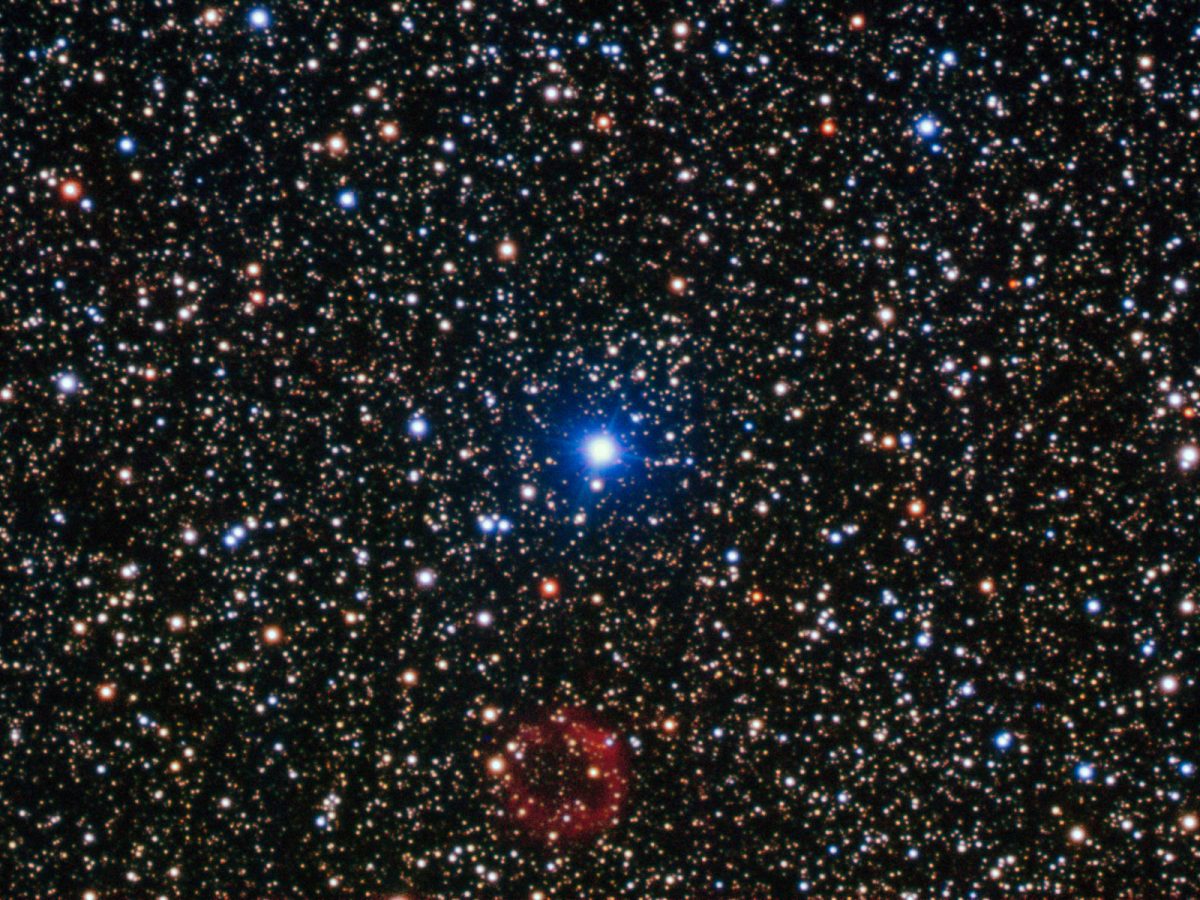
A star that suddenly flared at the end of the last century and briefly regained the characteristics of an earlier stage of its evolution has entered a new phase. Its surface is heating up rapidly. A powerful wind characteristic of hot Wolf–Rayet-type objects has formed around it. Such changes usually take thousands of years, but in this case they have been tracked over just three decades.
The Fastest Heating
The surface of Sakurai’s Object is now between 27,000 and 36,000 kelvins. According to the researchers, this is about five times hotter than thirty years ago, when its temperature was close to that of the Sun. No other star has ever been observed changing this rapidly.
The results were published in the peer-reviewed journal Monthly Notices of the Royal Astronomical Society. The observations were carried out by a team including scientists from the University of Manchester and Valongo Observatory.
A Renewed Helium Flash
This star was once similar to the Sun, but by the time of the outburst it had already completed its thermonuclear burning. The next stage should have been a white dwarf — the hot, dense core that marks the end of this type of stellar evolution. Instead, a helium layer deep inside the star ignited again.
Such an event is known as a very late thermal pulse. As a result, the outer layers rapidly expanded and cooled, while a large amount of material was expelled into space.
For a time, the object acquired the characteristics of a star at a much earlier evolutionary stage. This is why such events are sometimes called a “second birth.”
What Made Observations Difficult
After the material was ejected, dense clouds of gas and dust formed around the object. They blocked it from direct view, so its condition had to be assessed using indirect methods.
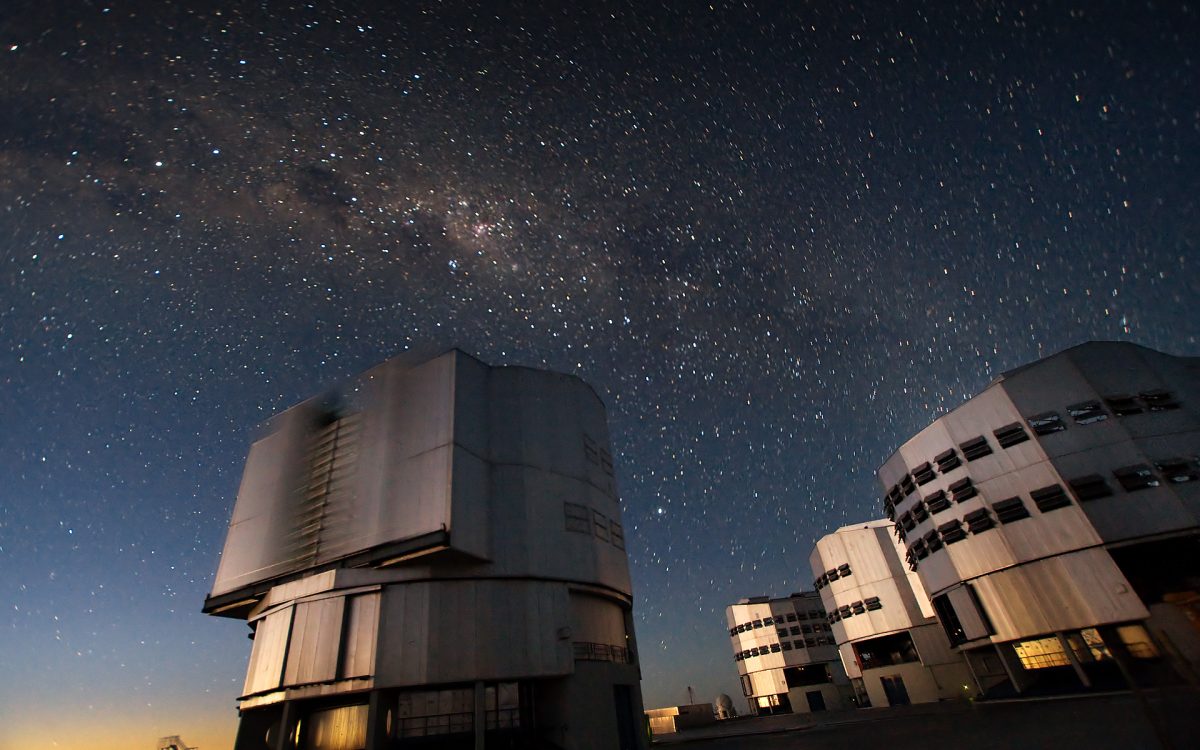
The light was collected using the European Southern Observatory’s Very Large Telescope (VLT) in Chile. The resulting spectra were compared with computer models of the atmospheres of hot Wolf–Rayet stars, according to the Royal Astronomical Society. Distinct carbon and helium lines appeared in the data, allowing researchers to determine the surface temperature and wind parameters.
Slower Than Predicted
The rate of reheating turned out to be lower than some earlier models had predicted. This makes it possible to test which theories more accurately describe the later fate of a star that briefly regained the characteristics of a previous evolutionary stage.
Only two similar events have been observed directly. The second star, V605 Aquilae, experienced a comparable event about 80 years ago. Its current condition corresponds to a later stage of the same process.
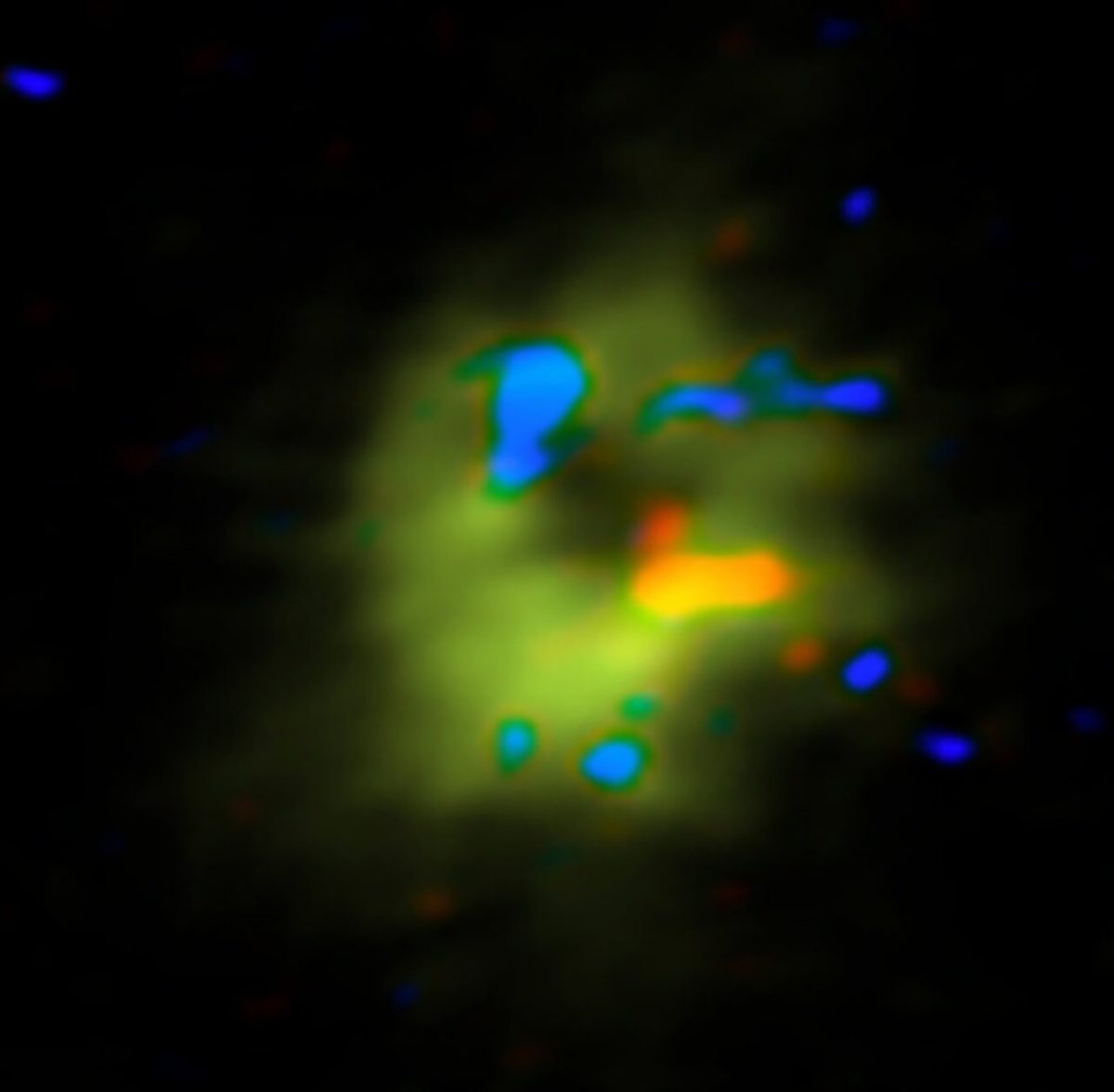
Together, these two objects provide two snapshots of the same process separated by about half a century. Comparing them replaces the need for continuous observations that would otherwise span several generations.
What Researchers Will Test Next
Scientists plan to continue monitoring the object as its surface temperature rises. New spectra should show how steadily the star is recovering after the eruption.
The discrepancy will have to be explained by researchers developing theoretical models of late-stage stellar evolution. Their calculations differ in their estimates of the rate of change, and those models must now be reconciled with the observations.