

The U.S. space agency NASA has publicly released around 800 GB of scientific information collected during the historic Artemis II mission. This unique archive, documenting the crew’s return to the far side of the Moon, includes 11,000 photographs and videos at full resolution, 8.5 hours of spoken observations, astronaut notes, conversation transcripts, and images from cameras installed aboard the crewed Orion spacecraft.
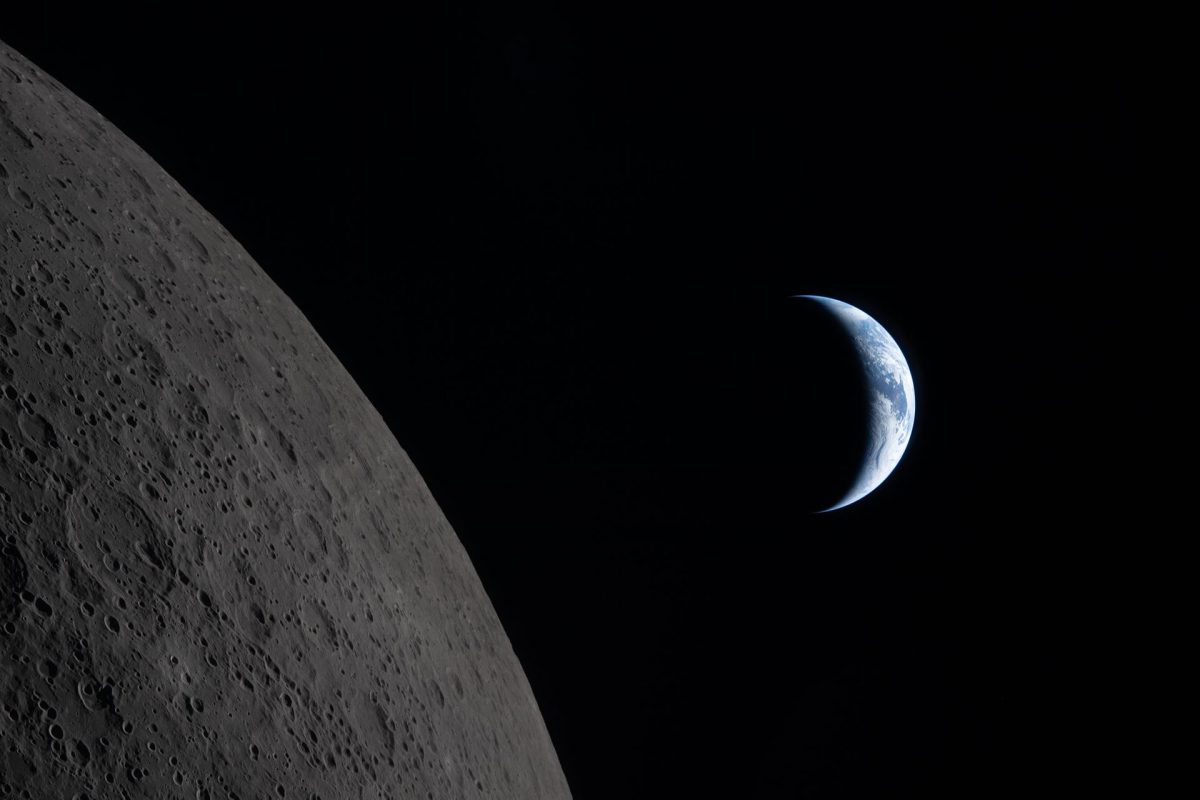
Agency representatives emphasize that this is the first collection of planetary science data gathered directly by humans in deep space in more than half a century. The last comparable example dates back to the Apollo lunar missions.
Available to Everyone
Alongside the raw data, NASA published three analytical reports summarizing the first crewed flight around Earth’s natural satellite in five decades. These include the Preliminary Science Report, the Lunar Science Operations Report, and the Artemis II Science Data User Guide.

Although the archive is primarily intended for the scientific community—planetary scientists, geologists, flight engineers, heliophysicists, and telecommunications specialists—anyone can explore it. For ordinary space enthusiasts, the most interesting material will likely be the conversation transcripts and photographs of the lunar surface annotated with the crew’s personal notes.
Centralized access to the files is provided through the public Planetary Data System repository. For those seeking a less technical format, the agency has created a dedicated Artemis II mission page featuring a selection of the best images, an audio library, and downloadable reports.
The First Discoveries in the Data

An initial analysis of the collected material has already produced concrete results. The most striking discovery was the detection of five small meteoroid impacts on the lunar surface during the 54-minute eclipse observed by the Orion crew. Recording these flashes of light will allow scientists to estimate more precisely how frequently fragments a few centimeters across strike the Moon. This is critically important for assessing risks to future lunar bases, rovers, and astronauts themselves.
The photographs also recorded differences in the color, brightness, and texture of various lunar regions, helping refine existing maps of soil composition. Images taken near the terminator—the boundary between the Moon’s day and night sides—are particularly valuable. They show in detail how the appearance of the terrain and visibility change when the Sun is low on the horizon. Astronauts will face precisely these challenging lighting conditions during future landings near the Moon’s south pole.
We previously reported on how Artemis II mission images exposed a major orbital crisis.
Based on material from Wired.
