

Margaret Hamilton, the computer engineer best known for developing software for the Apollo spacecraft’s onboard computer, has died in the United States at the age of 90. She also spent many years in the computer industry, creating software development systems and programming languages.
What Margaret Hamilton Is Known For
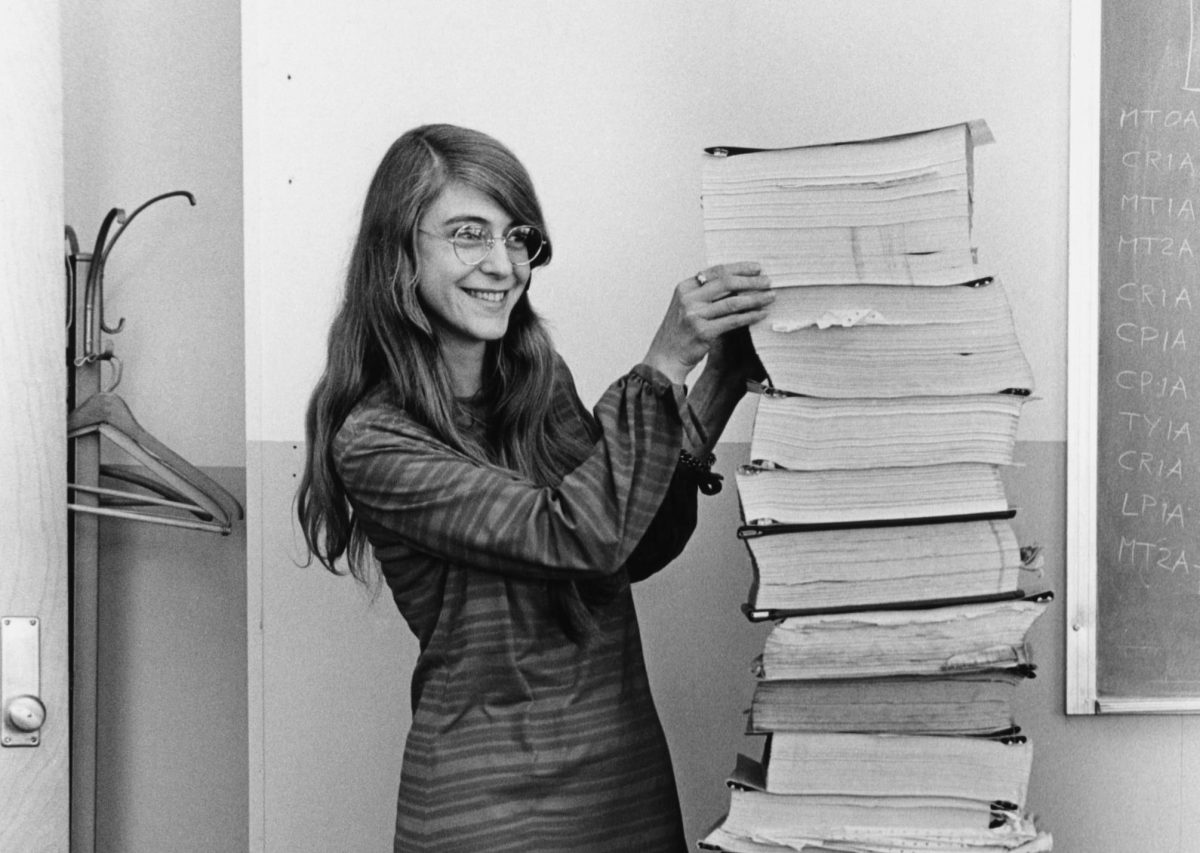
Margaret Hamilton, a distinguished computer systems engineer, died in the United States on September 30 at the age of 90. She is best known as the person who programmed the Apollo spacecraft’s computer—or, more precisely, led the programming team. Her story is recounted on the Massachusetts Institute of Technology’s website.
At the time, computer science was an entirely new field. Hamilton, who had studied both mathematics and philosophy, made a name for herself before turning 30 by getting the SAGE system to work while employed on projects for the U.S. military. The system was intended to analyze weather conditions and track airborne targets.
During the Apollo program, she became famous for the sheer volume of code she had to write for the spacecraft’s computer. She was also known for the careful design of that software, which prevented the first human landing on the Moon from being derailed. During the descent, the onboard computer became overloaded with incoming data and nearly issued a command to abort the operation and return. However, this situation had been anticipated, and the computer merely reported that it was overloaded.
What Hamilton Did After Apollo
The team Hamilton led while developing software for the Apollo program was based at the Massachusetts Institute of Technology (MIT). After the lunar mission ended, Hamilton continued working there as a professor. In total, she authored around 130 scientific papers on computer engineering.
Relatively soon, however, Margaret returned to practical work, founding her own company, Higher Order Software. Its main focus was systems for developing other software and programming languages. She was, in fact, one of the principal figures credited with coining the term “software engineering.”
An incident that occurred while she was still working on the software for the Moon mission is particularly important for understanding her role in the development of the global computer industry. She used to bring her daughter to work because she had no one to leave her with.
One day, while playing with the Apollo spacecraft simulator during a simulated flight, the girl started the launch program, bringing the game to an end. Margaret was surprised that the software did not prevent this function from running during flight and proposed fixing it. She was told that experienced astronauts would never make such a mistake. Yet precisely this happened during the Apollo 8 mission, and the navigation data were lost.
The situation was resolved without trouble. Nevertheless, it demonstrated just how complex the interaction between coding errors and human errors can be. For decades, this has been a central issue in software engineering. It was also the subject to which Margaret Hamilton devoted the rest of her life as a scientist and businesswoman. It is no coincidence that her companies’ clients were predominantly military organizations and those working in corporate security and banking. In recognition of her work, Hamilton received one of the United States’ highest civilian honors, the Presidential Medal of Freedom, in 2016.
