
Long-duration space expeditions are an extremely difficult test for the human body. Beyond Earth’s protective shield, travelers face destructive radiation, while microgravity gradually damages muscles, bones, and vision. The psychological pressure of spending a long time in a tight, enclosed space is no less dangerous.
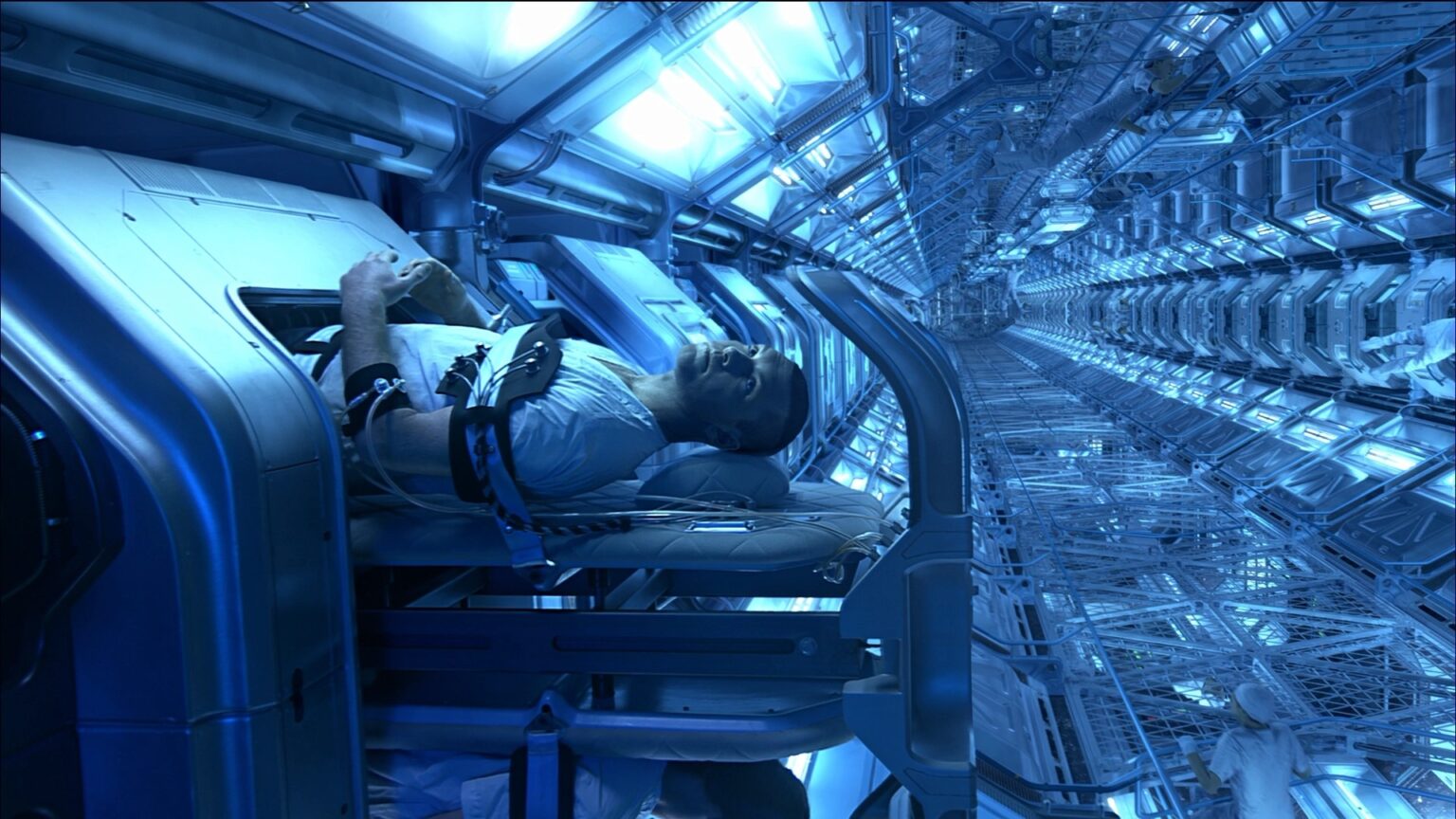
Yet the solution to these problems has existed in nature for more than 250 million years. It is winter sleep, or hibernation — a unique physiological state that allows animals to literally “switch off” vital processes during times of resource scarcity. Today, scientists around the world, with support from ESA and NASA, are trying to adapt this mechanism for humans.
A protective shield against radiation and hunger
Space radiation is one of the main enemies of astronauts. Without the protection of the magnetosphere and atmosphere, the crew is constantly exposed to galactic cosmic rays and high-energy particles from the Sun, which can damage cells and DNA. At the same time, animal experiments show that in a state of hibernation, the body can become more resistant to radiation. In this state, metabolism slows down sharply and oxygen consumption decreases, which reduces the formation of harmful free radicals. In addition, researchers suggest that the restructuring of the chromatin structure and the activation of DNA repair mechanisms help cells better tolerate radiation damage.
In addition, torpor solves the resource problem. According to scientist Clifton Callaway of the University of Pittsburgh, one astronaut needs about 300 kg of food for a flight to Mars. Reducing metabolism even by a quarter would significantly reduce payload weight, making the spacecraft easier to launch.
How to switch on suspended animation in humans
Humans are not evolutionarily adapted to hibernation. To overcome this limitation, researchers are studying extreme animals. For example, Arctic ground squirrels can lower their body temperature below freezing while keeping the brain and heart undamaged thanks to changes in the myosin protein.
Elena Gracheva of Yale University studies the subfornical organ, or SFO, in the brain, which suppresses the feeling of thirst during hibernation. This structure also exists in humans. Another neuroscientist, Sinisa Hrvatin of MIT, discovered a neural circuit in the preoptic area of the hamster brain whose activation lowers body temperature to 15°C. Since this mechanism is shared by many species, scientists hope to reproduce it in humans as well.
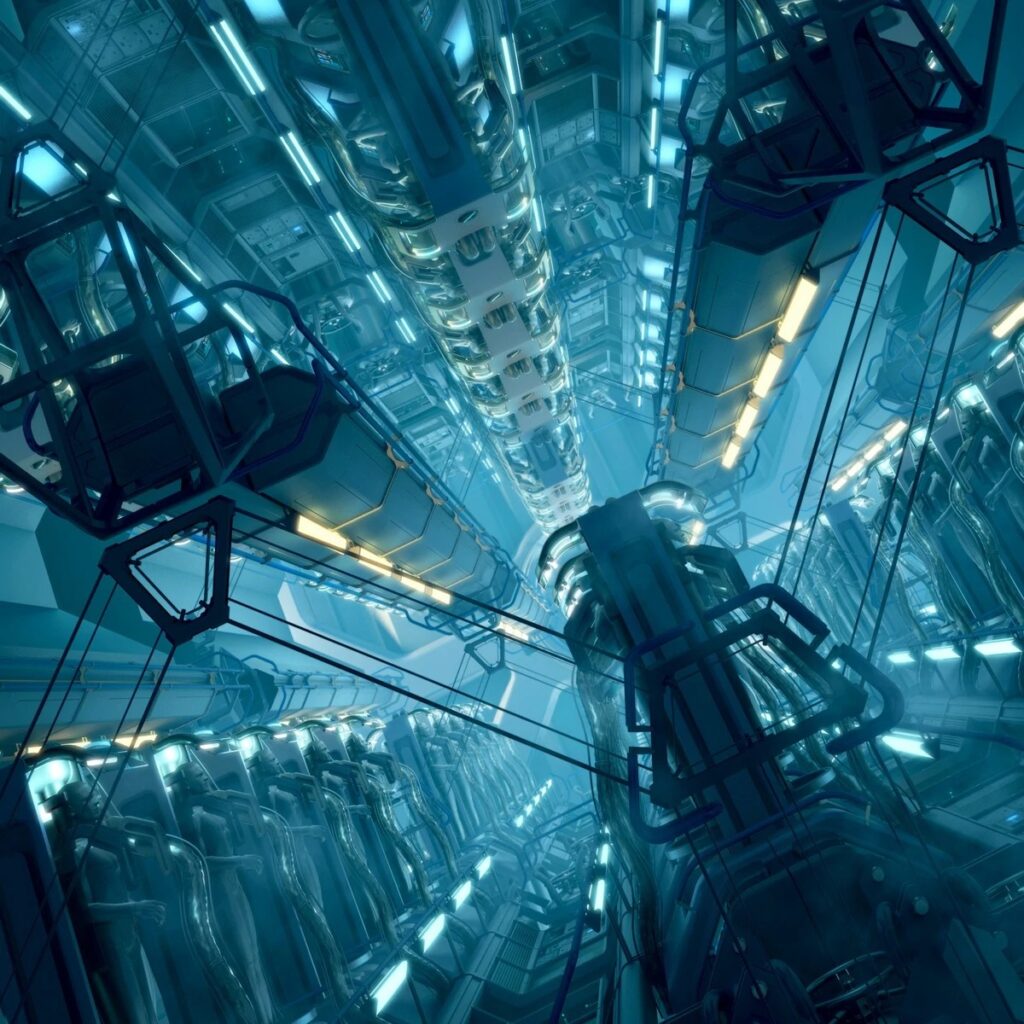
Chemical drugs and ultrasound are already being tested to induce synthetic torpor. Some human experiments using mild sedatives have already shown a 20% reduction in metabolism.
From transplantation to fighting cancer
The technology of artificial suspended animation may bring about a revolution on Earth long before the first astronaut in a state of hibernation sets off for Mars.
Emergency medicine. In cases of heart attacks and strokes, artificial torpor could help doctors slow the destruction of brain and heart tissue, gaining precious time for surgery. Unlike a medically induced coma, patients in a state of torpor do not need complex life-support machines.
Transplantology. Activating hibernation mechanisms in donor organs would make it possible to significantly extend their storage time and save thousands of lives.
Oncology and chronic diseases. Dutch scientists from the University of Groningen are already testing the molecule SUL-138, isolated from hamsters, for the treatment of Parkinson’s disease. In addition, slowing metabolism can inhibit the division of cancer cells.
Optimistic forecasts suggest that the first artificial torpor technologies for human medical needs may appear within the next 10–15 years. However, deep-space flights will require more time, because scientists need to learn not only how to safely place people into a state of suspended animation, but also how to safely bring them back to life.
Earlier, we explained why a cryochamber would not have helped the hero of Futurama travel into the future.
According to The Guardian
