

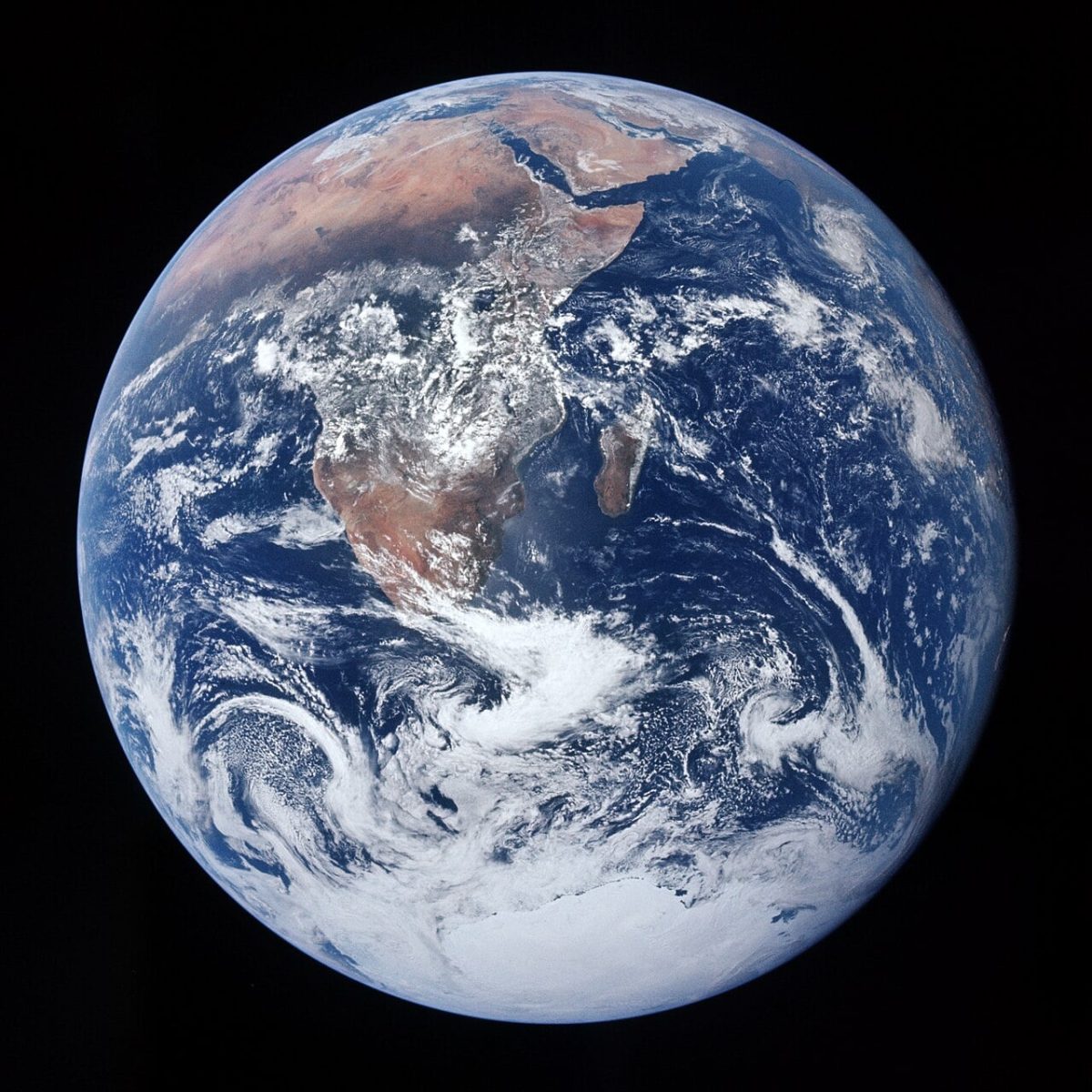
Our planet may have appeared not because of a rare coincidence, but as a natural result of the evolution of matter around a young star. This conclusion was reached by researchers led by Nader Haghighipour after a series of computer simulations that included no assumptions about the structure of the Solar System. The calculations began with random initial conditions, after which everything was determined by the physics of collisions and the motion of matter. A world similar to ours emerged again and again.
A Model Without Hints
Computer modeling of how planetary systems form has existed for about three decades. Over this time, simple attempts to reproduce an already known picture have given way to calculations involving thousands of different initial conditions. However, they all shared one limitation: the starting data were selected in such a way that the final result would resemble our own system.
Planetary scientist Nader Haghighipour of the University of Hawaii at Manoa decided to remove this built-in hint. His work is described by Universe Today. He presented the results at the Origins 2026 conference in Paris, and they have not yet undergone formal peer review.
A Natural Orbit
In the models, the most favorable environment for the emergence of potentially habitable worlds turned out to be a protoplanetary disk with an uneven distribution of solid matter. Such a state does not require any special assumptions because it arises naturally during the evolution of a gaseous nebula around a young star.
In more than a thousand simulations of the late stages of terrestrial planet formation, a body with a mass and orbit similar to those of Earth formed regularly. A distance of one astronomical unit from the central star turned out not to be an exception, but a typical result.
An analogue of Venus formed in approximately 28% of the cases and retained its orbit. Sometimes it ended up in the habitable zone, and sometimes slightly beyond it. A small object near the present-day orbit of Mars also appeared repeatedly.
Sensitivity to Small Details
The next step was to model interactions between the resulting bodies. Until recently, one such calculation took six to eight months. Now similar calculations can be completed in six to eight weeks on an ordinary laptop.
The configuration proved to be highly dependent on the initial conditions. Even a slight variation in the starting parameters noticeably changes the number of bodies, their masses, and their exact orbits. In other words, two almost identical nebulae can produce two completely different families of planets.
What remains unchanged is the emergence of an Earth-like world at the appropriate distance from the central star. The variable details concern the overall architecture of the system rather than the result associated with habitable conditions.
Is Earth Rare?
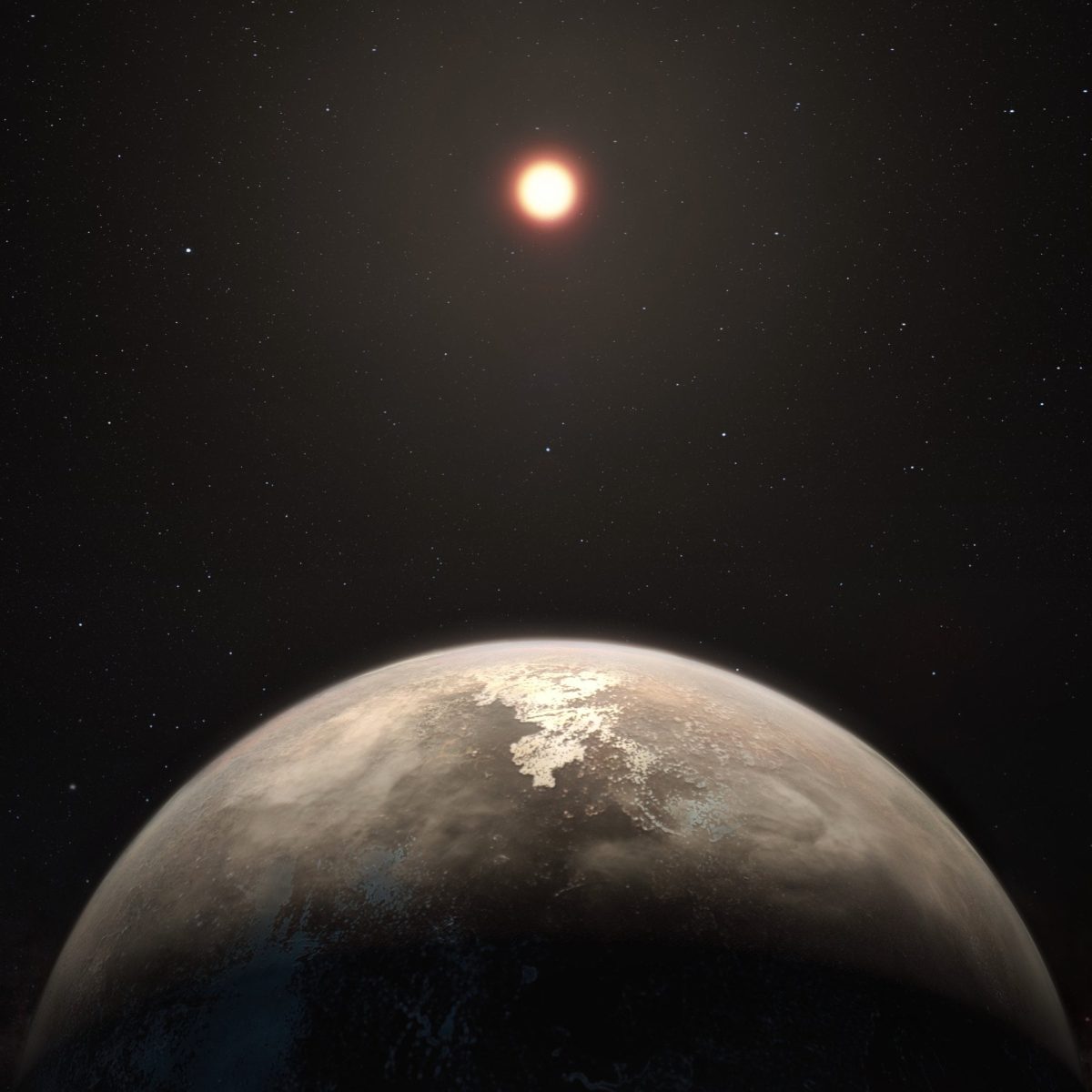
Planets similar in size to our own, including small super-Earths, occur fairly often in the habitable zones around Sun-like stars. According to Nader Haghighipour, it logically follows that biological Earth-like life may also be widespread. For now, there is no way to detect it because existing technologies have not yet reached the required level.
At the turn of the century, the opposite idea became established in scientific discussion. Geologist Peter Ward and astronomer Donald Brownlee argued in their 2000 book Rare Earth that complex forms of life were the result of an almost unique combination of coincidences. The new models do not support this thesis.
The author sees the value of his work elsewhere. It shows which physical processes lead to the emergence of a world with habitable conditions. In Nader Haghighipour’s view, there is no reason to consider Earth a lucky accident.