

SpaceX’s Dragon spacecraft has successfully launched into space. As part of the CRS-35 mission, it is carrying 6,500 kilograms of supplies and experiment materials to the International Space Station. Among its cargo are live shrimp of the species Halocaridina rubra.
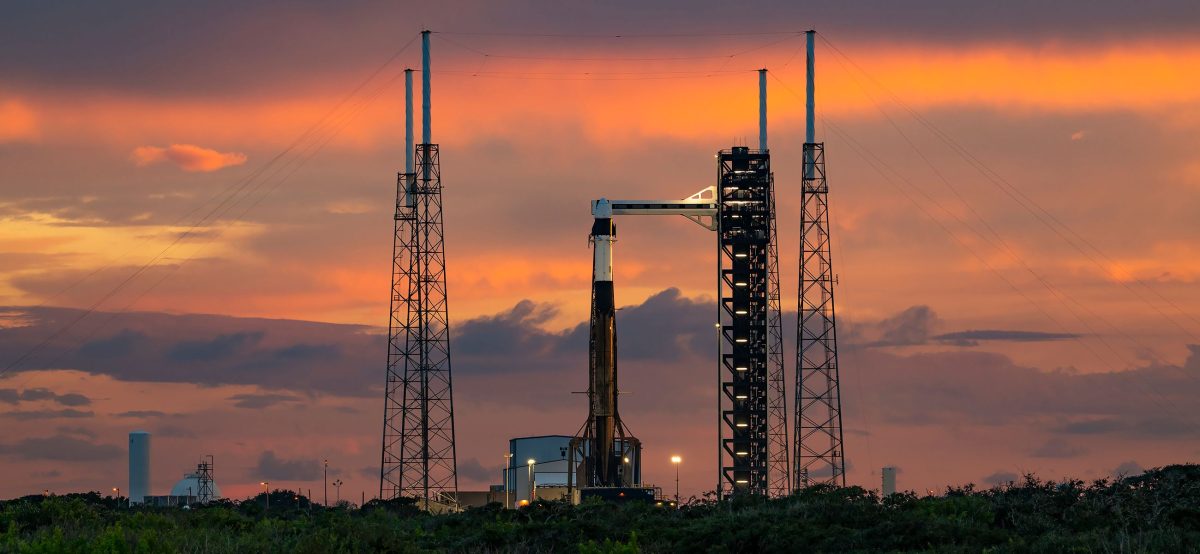
A New SpaceX Cargo Launch
On October 13, 2026, SpaceX successfully launched a Falcon 9 rocket. It was 6:33 a.m. on the U.S. East Coast, where the launch took place, so the Sun had not yet risen and liftoff occurred in darkness. In Kyiv, however, it was already 1:33 p.m. The launch was reported on the company’s official website.
Liftoff took place from Launch Complex 40 at Cape Canaveral. NASA broadcast the event live. A few minutes after launch, the rocket successfully placed the Dragon cargo spacecraft into orbit. As usual, the first-stage booster used its remaining fuel to make a soft landing back on Earth.
The launch is intended to deliver various supplies and experiment materials to the International Space Station, with a total mass of 6,500 kilograms. The spacecraft is expected to rendezvous with the station and begin docking on October 15.
What Makes This Launch Interesting?
Overall, this is a fairly routine delivery of materials to the ISS. SpaceX regularly conducts such missions under its agreement with NASA. However, several factors make this particular mission interesting. The first is that, from a certain perspective, CRS-35 is not strictly a cargo mission: it does have passengers. They are Hawaiian shrimp of the species Halocaridina rubra. Their lives in weightlessness will be studied in the SCAMPI experiment, developed by 51 students from universities around the world.
The spacecraft also carries materials for several other experiments, some of which were prepared by students as well. However, during mission preparations, the supplies needed by the astronauts received perhaps even more attention. The Russians are to blame—or, more precisely, the events at the Baikonur Cosmodrome on November 27 last year.
At the time, personnel simply forgot to retract the lower service platform from beneath the launch table, and the platform was damaged during launch. This raised concerns about a possible interruption to the continuous resupply of the ISS. CRS-35 was therefore initially prepared in great haste for an August launch. Later, however, it became clear that the launch pad in Kazakhstan had been repaired, and the mission was postponed until October.
