

When it comes to objects located close to the Sun, the first thing that comes to mind is the closest planet to the Sun — Mercury. At its closest point to the star, or perihelion, it approaches to within about 47 million km. However, this is far from a record. Throughout the history of astronomical observations, numerous asteroids, comets, and even human-made spacecraft have come much closer to our star.
Asteroids
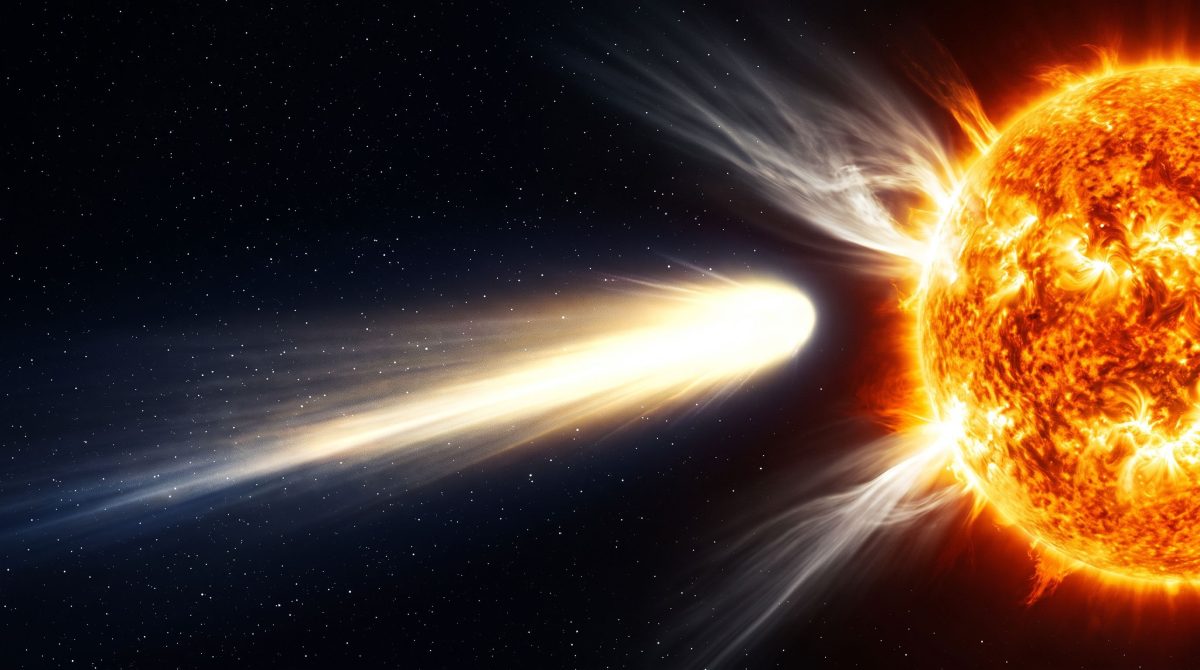
Among natural rocky bodies, the record holders are asteroids with highly elongated orbits that cross Mercury’s path. According to astronomer Scott Sheppard of the Carnegie Institution, such objects formed in the Main Asteroid Belt but were later pulled closer to the center of the system by gravitational perturbations.
According to NASA’s database, the current record holder among known asteroids is 2024 YL3. This 141-meter fragment approaches the Sun at perihelion to a distance of “only” 10.3 million km.
There is also a hypothetical group of asteroids — vulcanoids — which may have circular orbits inside Mercury’s orbit at distances ranging from 8.98 million to 37.39 million km from the center of the Sun. If they exist, some of them may pass closer than 2024 YL3. However, like the hypothetical planet Vulcan after which they were named, vulcanoids have still not been found.
Human-Made Objects
Among human-made objects, the undisputed leader is NASA’s Parker Solar Probe, launched in 2018 to study the solar corona.
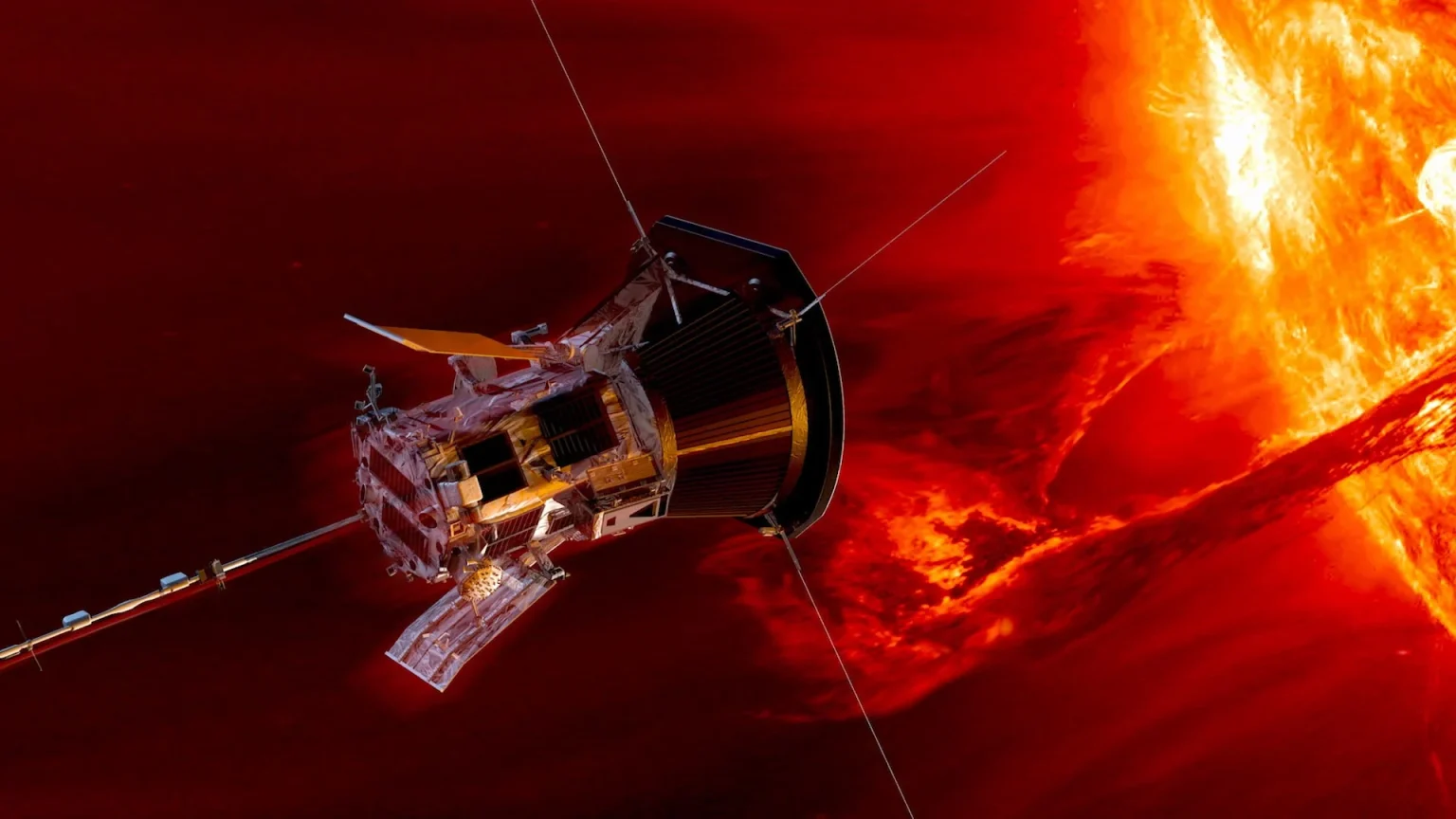
During the final orbits of its primary mission, the spacecraft raced through the Sun’s outer atmosphere, passing only 7.3 million km from the center of the star. A special high-tech shield made of carbon foam protected the probe from temperatures reaching hundreds of thousands of degrees.
Fatal Divers
However, the absolute record holders for approaching the Sun are comets. So-called “sungrazing comets” can come within less than 2.39 million km of the center of the Sun.
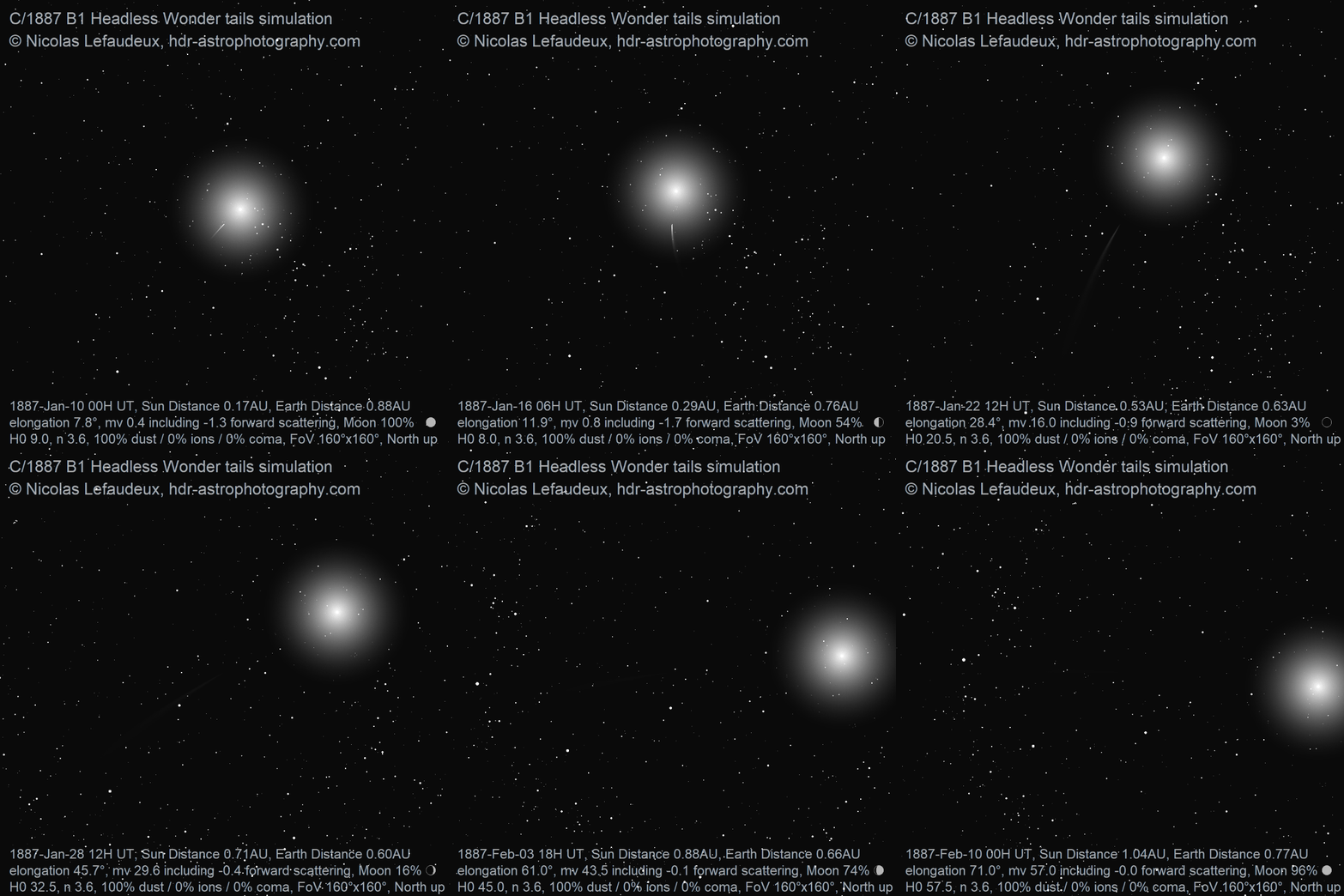
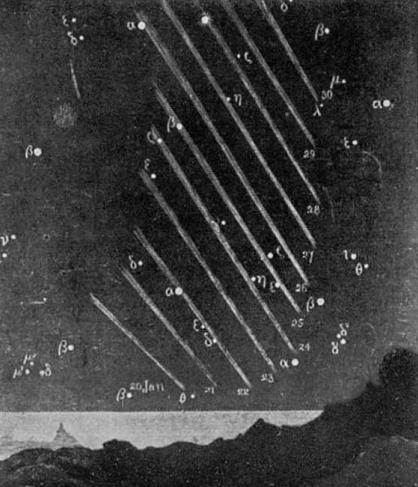
Small comets usually break apart because of uneven heating as they rotate, while larger ones are torn apart by the star’s powerful gravity. However, some manage to survive. The closest known object to approach and survive was the Great Southern Comet of 1887 (C/1887 B1), which passed at an incredible distance of only 718,000 km from the center of the Sun, or about 27,000 km above its surface.
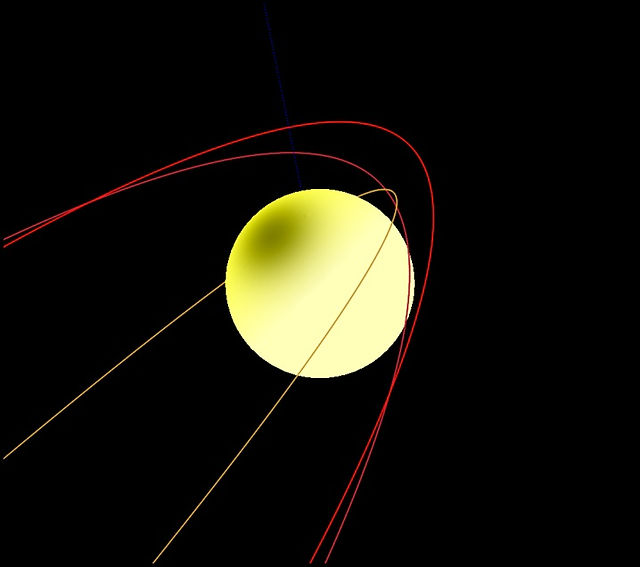
Of course, there are also “sundiving comets,” which cross the visible surface of the Sun and plunge directly into the star. For this to happen, their perihelion must be smaller than the Sun’s radius — 695,600 km from its center. However, all such objects are instantly destroyed in the solar inferno, so the Great Southern Comet of 1887 remains the current known record holder that managed to return from the Sun’s hell.
Earlier, we explained why Earth is closest to the Sun in winter.
Based on materials from Live Science