

Scientists are studying dunes on Earth in an effort to understand the complex patterns that govern their formation. They believe this will help reveal the mysteries of the geological history of other planets in the future.
How Dunes Form
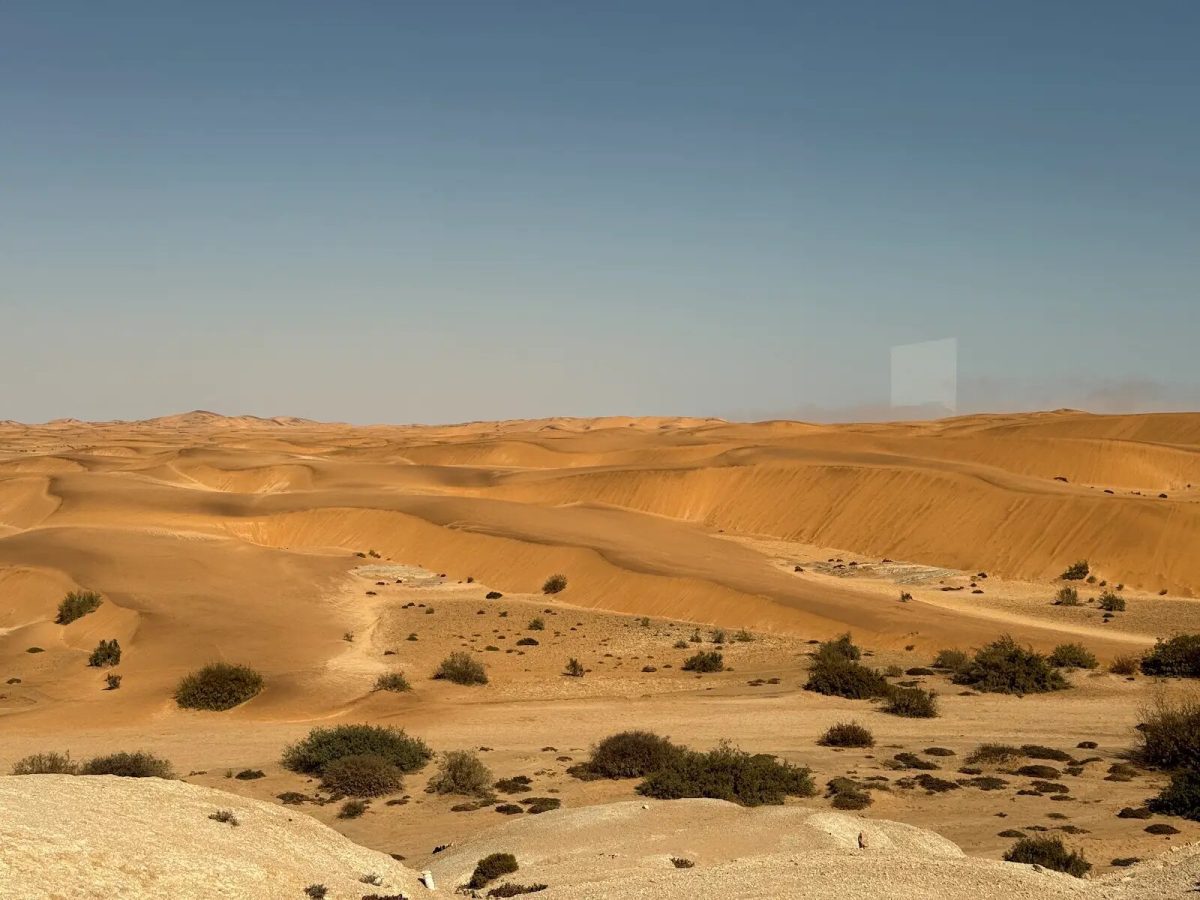
Dunes are sandy hills that form under the influence of wind, mainly in areas with a dry climate. They exist not only on Earth but also on other planets, and, as phys.org reports, researchers from Monash University recently published a global study in Nature Communications on how they form.
The mechanism of dune formation is not as simple as it may seem. Dust and sand lifted and carried by the wind do not settle randomly but instead form complex landforms. At the same time, dunes can take different shapes. Scientists have already realized that these shapes can reveal a great deal about the past of the area where they formed.
Moreover, dunes are not permanent formations. They shift over time even in places that do not look entirely desert-like. The nature of these changes can also reveal a great deal about long-term changes in conditions in the areas where they are located.
Studying Dunes
This is precisely why scientists pay so much attention to the global study of dunes. There is still no single theory that describes their formation in every detail. Such a theory must be based on large volumes of observations, and scientists have begun collecting them. They have already concluded that in predominantly dry regions, the main factor determining dune formation is the proximity of a source of sand or insufficiently resistant rocks that the wind can break down into sand.
However, in wetter regions, other factors have a significant influence on dune shape, such as water and vegetation. Vegetation, in particular, is also the main factor preventing dunes from forming.
Scientists are confident that the data they have collected from different regions of Earth will also be useful for space research. This is especially true for Mars, where the climate has varied greatly across different regions over the past several billion years and where dunes of different ages have been preserved. Perhaps they will help scientists understand how the planet’s climate has changed and what may be expected from it in the future.