

Historically, a comprehensive study of astronomy was a prerequisite for being regarded as educated, a requirement that extended to lawyers, physicians, and theologians alike. This exemplifies the nature of medieval education. Mercury was responsible for this phenomenon — not the retrograde type.
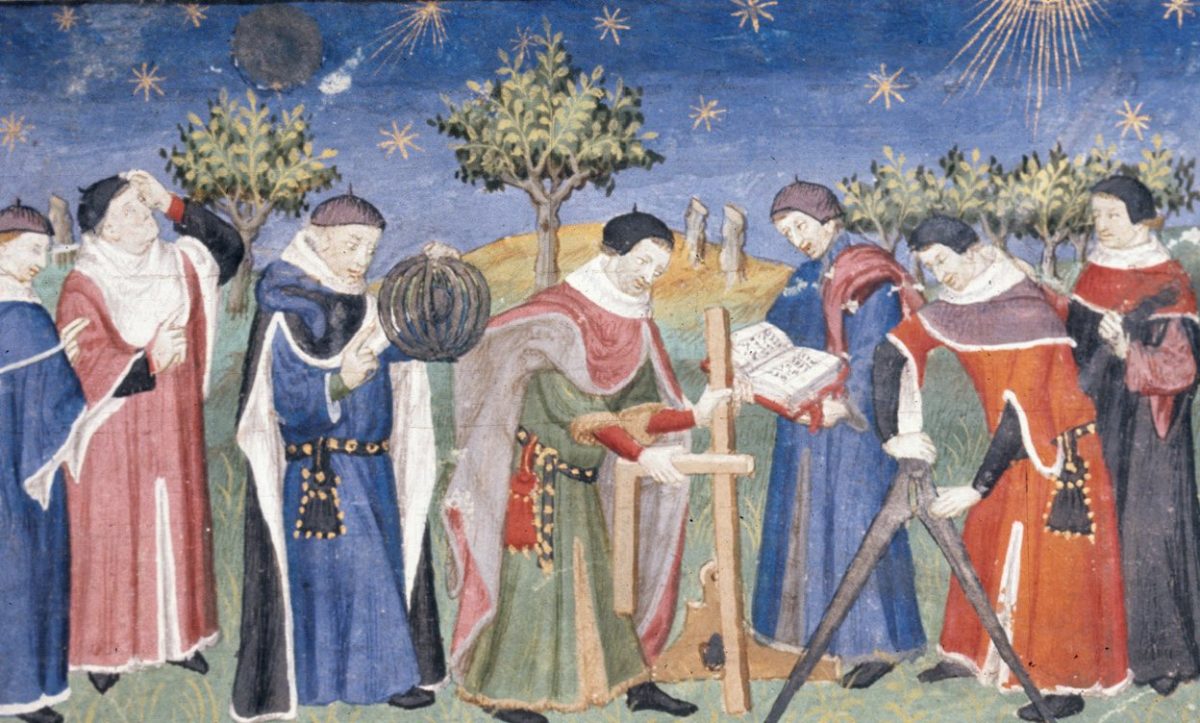
Which subjects ought to be studied?
Today marks September 1st — Knowledge Day. Traditionally, this occasion is commemorated not merely through celebratory gatherings at educational institutions but also through fervent debates concerning the ideal structure of education to substantiate the endeavors dedicated to it.
In recent years, the distinction between secondary education — specifically, high school — and higher education institutions has become increasingly ambiguous. This shift is exemplified by the Ukrainian education system’s initiative to establish a vocational high school, where certain adolescents will pursue studies in the humanities, while others will focus on technical disciplines.
This statement illustrates the ongoing debate regarding the practicality of school knowledge for individuals in life and questions the necessity of moving away from the universalist approach to education, which is often attributed to the inefficient Soviet system. However, it is important to note that this approach was actually conceived much earlier.
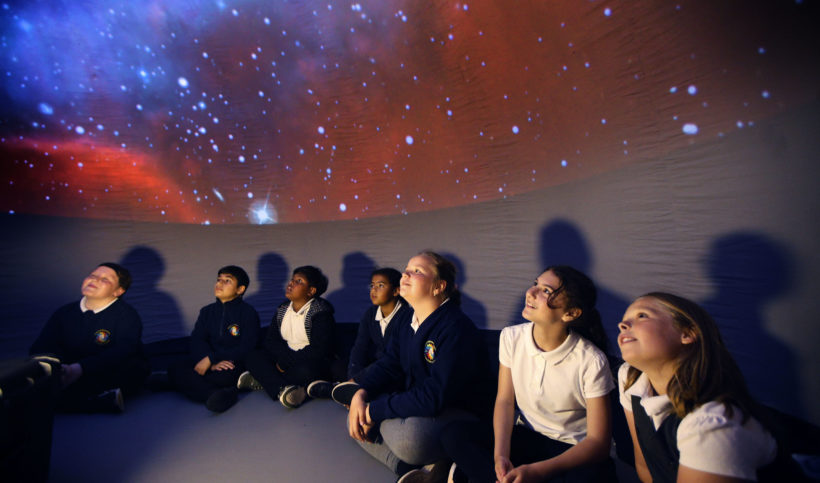
In particular, were you aware that astronomy — arguably the most seemingly insignificant of all academic disciplines — was, for centuries, an integral component of the education of every learned individual and was regarded as indispensable knowledge for all: lawyers, physicians, and theologians alike?
The Trivium and the Quadrivium
Alongside three additional disciplines — arithmetic, geometry, and music theory — astronomy comprised the so-called “quadrivium,” presently referred to as the “exact sciences.” Its nomenclature originates from the Latin term “quattro,” signifying “four.”
The quadrivium was contrasted with the trivium. This collection of liberal arts disciplines comprised grammar, rhetoric, and logic.
Simultaneously, there was no differentiation between “humanities students” and “science students.’ All students engaged in the same curriculum: initially the trivium, followed by the quadrivium. This is the origin of the term ‘trivial,’ which signifies ‘nothing special,’ as it pertains to the most basic, foundational level of education.
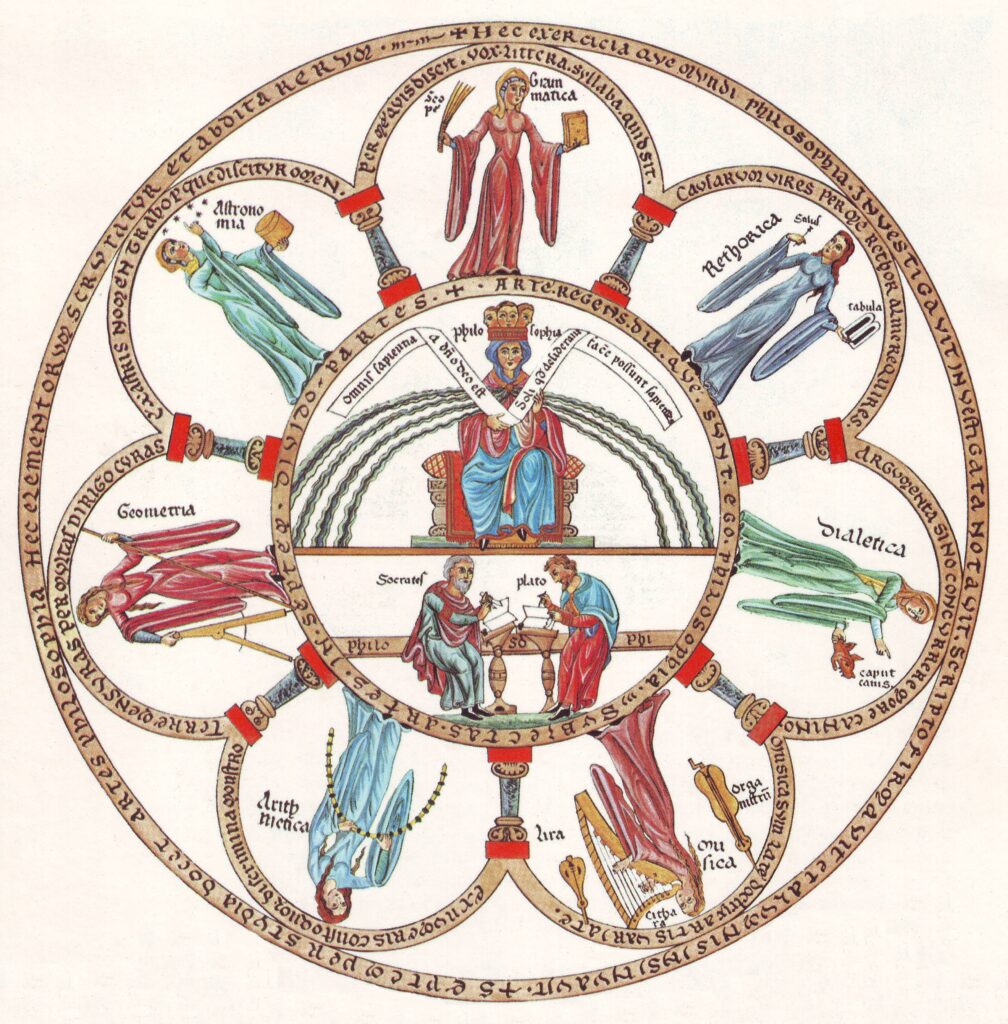
The term “Non-trivial” denotes a concept that, beyond rhetoric and logic, necessitates accurate calculations and measurements. However, without an examination of all three disciplines comprising the trivium, there exists no route to the quadrivium either.
Together, the trivium and the quadrivium constituted the seven liberal arts — the foundational knowledge that every educated individual was expected to acquire. Mastery of all seven was deemed essential. During the medieval period, students typically specialized in one of three fields: theology, medicine, or law. Consequently, to achieve a comprehensive understanding of the Bible, one was required to study celestial phenomena, including the angles of celestial bodies’ ascension, the coordinates, and the planets’ motions.
On the Marriage of Philology and Mercury
Interestingly, the development of this system was predominantly influenced by a single book. The author of this work was a writer from North Africa in the 5th century CE, during the decline of Roman rule in the region. His name was Martianus Capella.
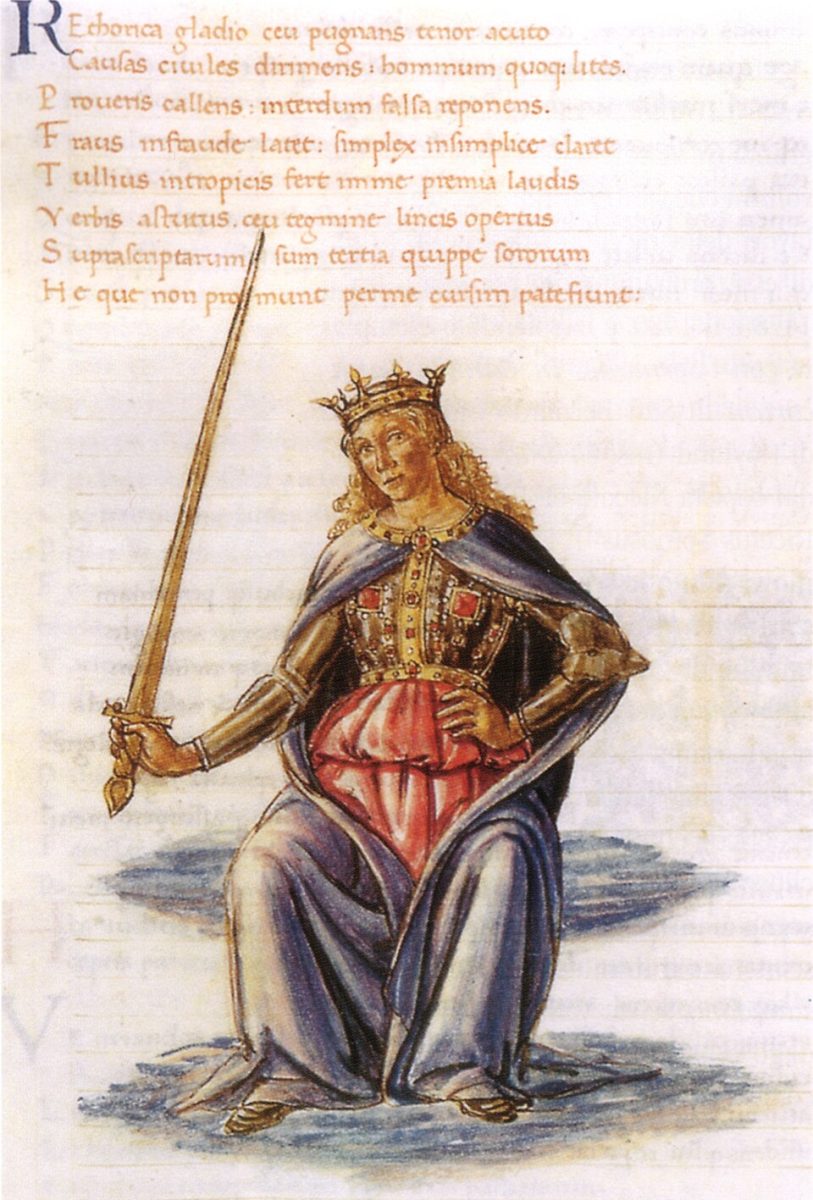
Essentially, Martianus served as a science popularizer. By that period, scientific knowledge had already been documented in numerous works authored by various scholars, including Plato and Aristotle, and not all individuals had the time to study these texts in detail.
Martianus succinctly summarized these themes and integrated them into a fictional narrative. The outcome was a work titled ‘On the Marriage of Philology and Mercury’, divided into nine books. The initial two books describe how Mercury, the deity of commerce, communication, diplomacy, and cunning — an essential element of all these domains — resolved to marry and selected an exceptionally educated young woman named Philology as his bride.
Today, the term denotes “the study of language.” However, it is composed of two components: “to love” and “logos.” It is specifically “logos” that has confounded scholars for centuries, as it pertains to a unique philosophical concept that can be interpreted not only as the “word” with which we are familiar but also as “knowledge,” “thought,” and “law.”
Furthermore, in Goethe’s ‘Faust,’ when Mephistopheles approaches the protagonist — a distinguished professor at a medieval university who has long mastered both the trivium and quadrivium — the professor is depicted contemplating the translation of the term “logos” into German within the context of the phrase traditionally read as “In the beginning was the Word.”
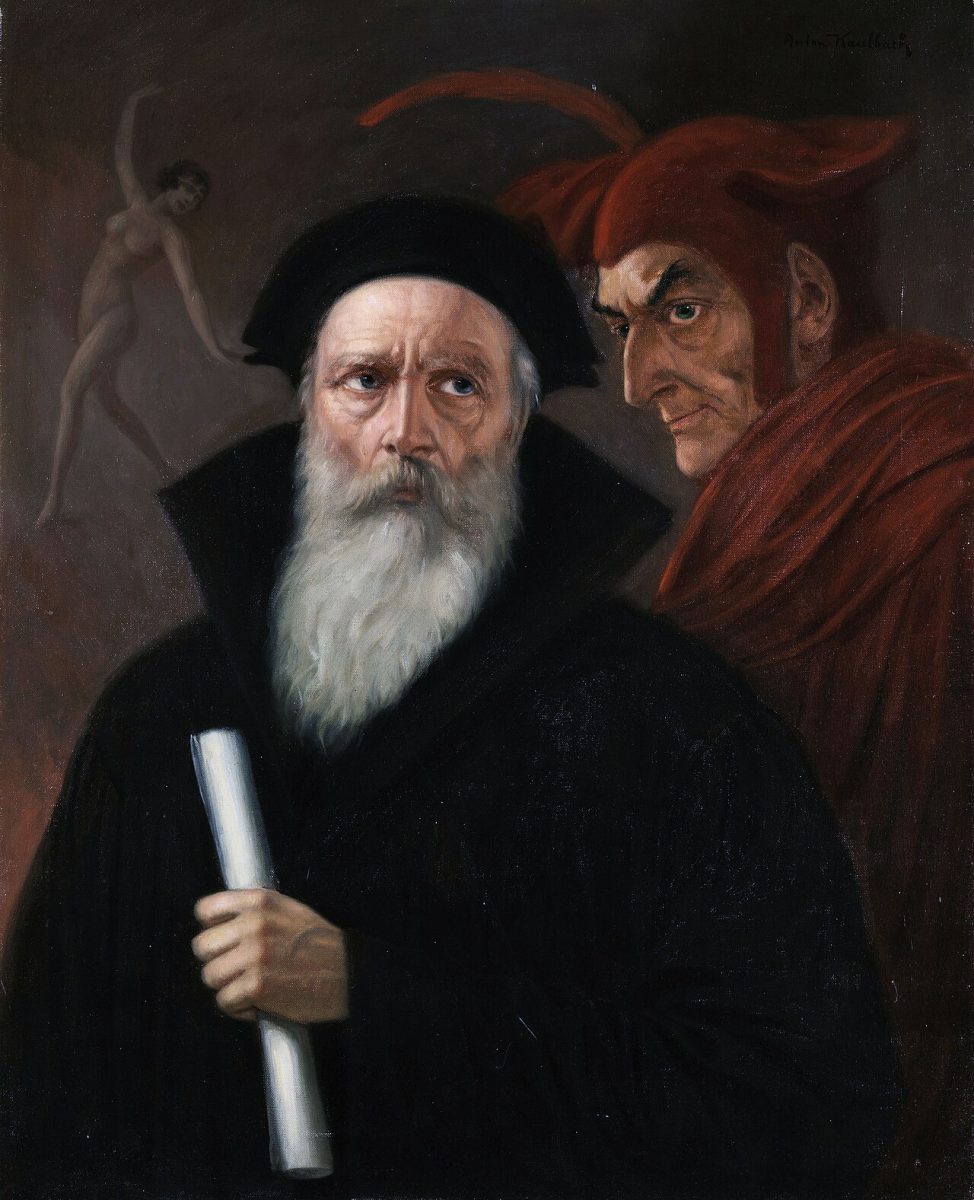
However, let us revisit ‘On the Marriage of Philology and Mercury.’ The initial two sections detail the courtship and nuptials of Mercury and Philology, including how he bestowed upon her seven handmaidens as a present.
Regarding the remaining seven books, they comprise the heroine’s dialogues with each of them. Their names are Grammar, Rhetoric, Logic, Arithmetic, Geometry, Astronomy, and Music. Essentially, these conversations constitute a well-known encyclopedia. This is how Martian Capella introduced the world to the seven liberal arts.
Medieval education
‘On the Marriage of Philology and Mercury’ was held in the highest regard during the Middle Ages. The Western Roman Empire fell, and in its place arose a multitude of barbarian kingdoms, which many centuries later would become the countries of the European Union. Along with the empire’s collapse, cultural standards plummeted, so the need for a simplified system of classical knowledge was extremely great.
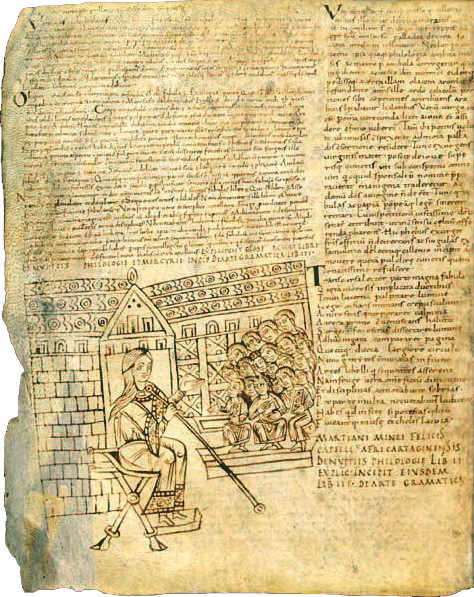
It is noteworthy, however, that there were virtually no structured schools. Education was conducted either within monasteries or through private tutoring. The sole system that somewhat resembled a contemporary secondary or higher education institution was located in Byzantium, where instruction began to be founded on the doctrine of the seven liberal arts.
Incidentally, in medieval Europe, these were contrasted with the seven “unfree” arts — also known as the artes mechanicae, or the mechanical arts: weaving, agriculture, architecture, military science, trade, cooking, and blacksmithing. Therefore, during that period, astronomy was regarded as more esteemed than the ability to forge swords and engage in combat with them.
When the initial universities emerged in Western Europe during the 11th century, they evolved into institutions dedicated to the study of the seven liberal arts, rather than the “mechanical” arts. Moreover, the sequence in which the humanities and the exact sciences were studied differed significantly from the approach of “commencing with the simpler humanities and subsequently progressing to the more complex disciplines.”
Grammar was initially studied due to the medieval Christian worldview, which primarily emphasized written knowledge — most notably, the Bible. In the beginning was the Word; consequently, the basis for comprehending the universe was grounded in understanding the formation of language, mastering correct text composition (with examples drawn from literature), and the art of creating poetry.
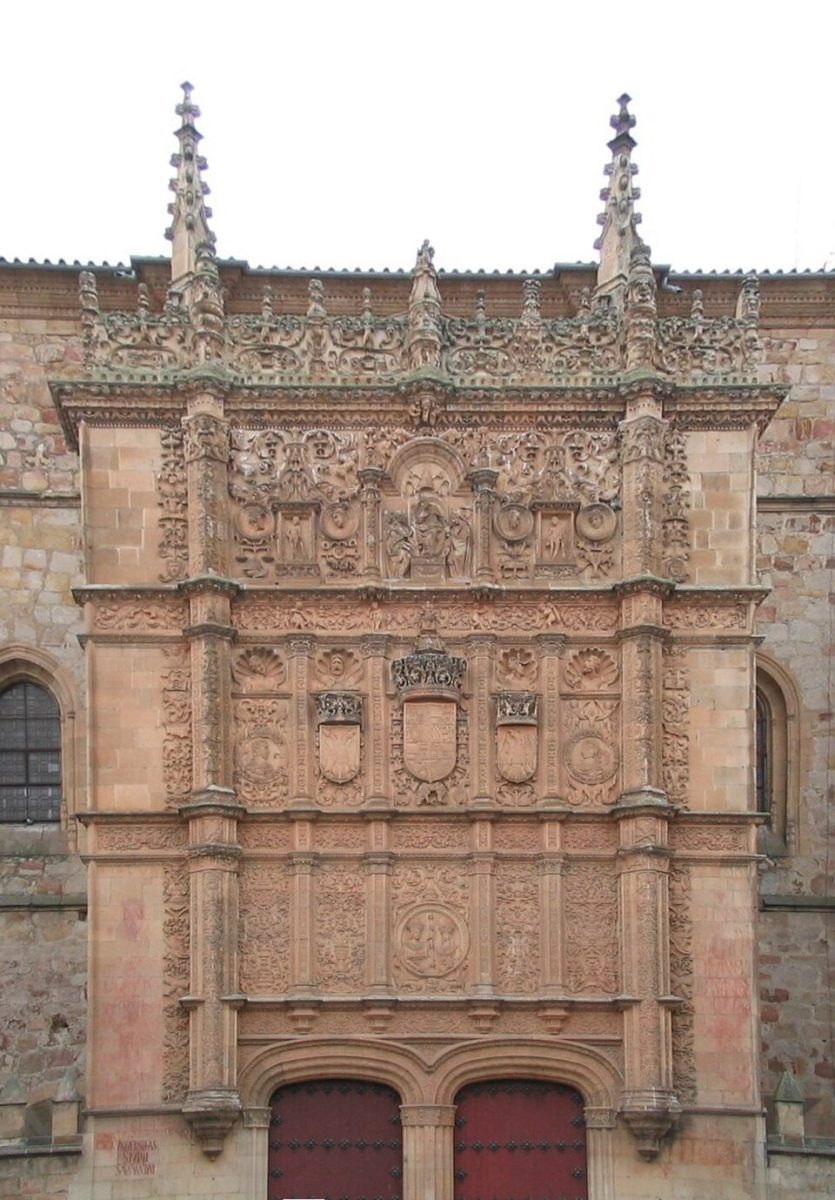
Subsequently, rhetoric was introduced — the discipline concerned with the correct articulation of one’s thoughts, especially in public settings. It encompassed aspects of etiquette and jurisprudence, ultimately culminating in the discipline of logic in the form of dialectics. This represented the scientific method whereby individuals with extensive reading and mastery of rhetoric should acquire new knowledge through debate: by presenting well-founded arguments and deriving conclusions.
The medieval scientific tradition known as scholasticism was founded upon this principle. The term originates from the word “school,” and scholasticism has often been characterized as being disconnected from practical life. Nevertheless, the fundamental principle of “do not multiply entities unnecessarily,” which underpins the modern scientific method, also has its roots in the scholastic tradition of dialectical debate. This principle is traditionally attributed to the scholastic philosopher William of Ockham.
Only after a student, a term derived from the Latin meaning “to seek knowledge” and “to work diligently,’ had mastered all of this did he study arithmetic and geometry — as tools for introducing numbers and geometric constructions as arguments in debates.
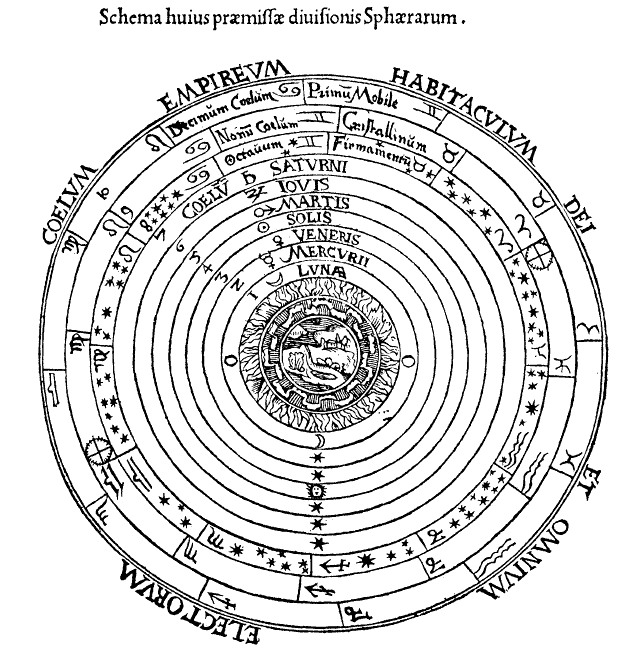
During that period, astronomy was conducted based on Ptolemaic theory: the Earth was considered the stationary center, with the Sun, Moon, and planets orbiting it, each in its respective sphere. Even then, those individuals could forecast these celestial motions through the application of arithmetic and geometry. Full comprehension of the universe in a discourse was attainable solely through exact knowledge.
Music was intrinsically linked to the subject matter — another captivating domain that could only be comprehended through mathematics. Ultimately, music comprises a synthesis of sounds with differing pitch and duration. Anyone familiar with music notation will affirm that it is replete with fractions.
The conclusion of the seven liberal arts
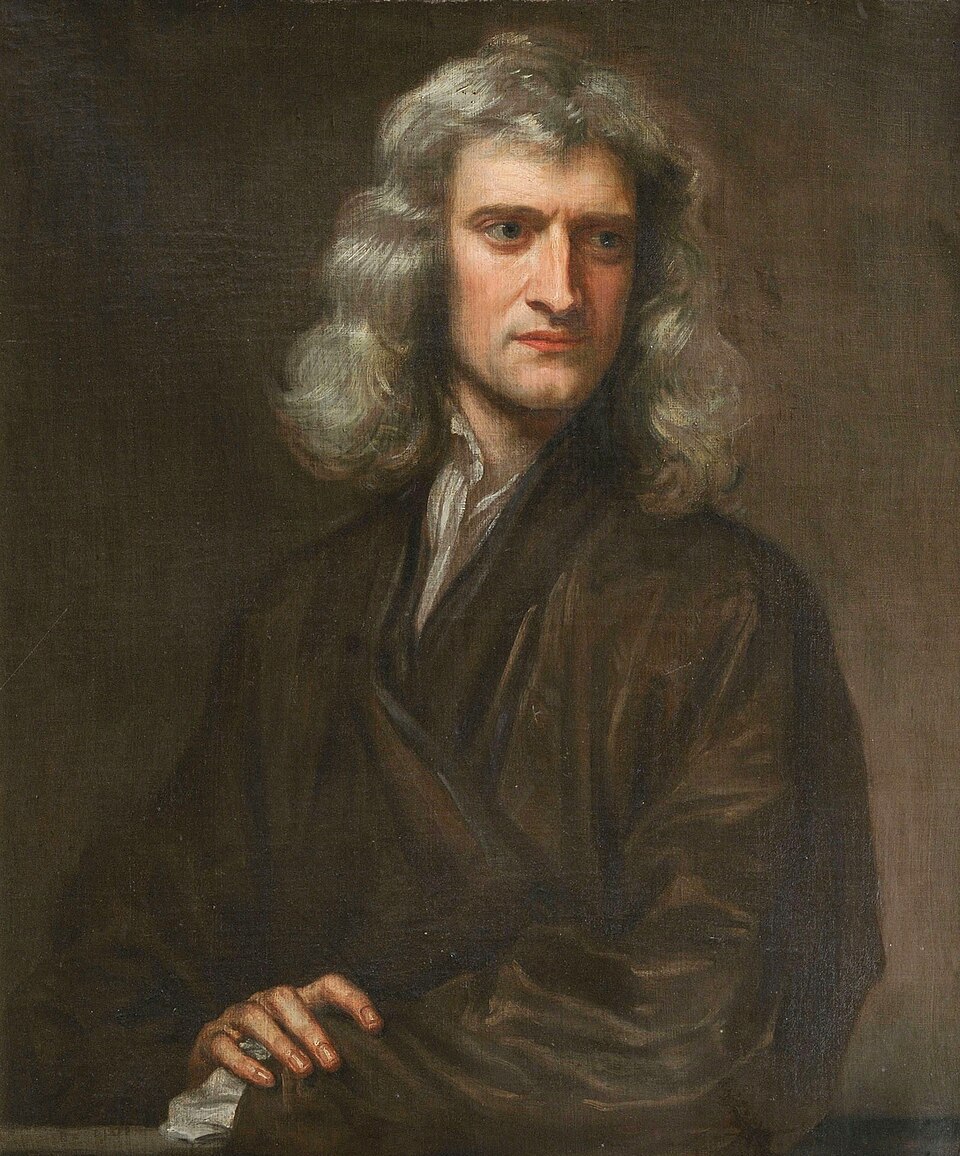
The seven liberal arts governed education for more than a millennium. It was not until the 17th century that this pedagogical framework began to decline. Notably, it was astronomy — considered its apex — that precipitated its demise. Pioneers such as Newton, Galileo, and Kepler — each well-versed in both the trivium and the quadrivium — established that mathematics requires no intermediary in the form of verbal science to accurately describe phenomena, whether terrestrial or celestial.
This is how modern university scholarship came into being; the artes mechanicae turned out to be friends rather than enemies, and the scholastics adopted a new version of dialectics known as the “scientific method,” which they continue to use to this day.
Incidentally, in many regions and fields, the Trivium and Quadrivium persisted for much longer. For example, in traditional Ukrainian education, they endured until the end of the 18th century. The most famous example is the bursaks from Nikolai Gogol’s novella ‘Viy ‘.
The principal character, Khoma Brut, is a philosopher — not because that is his official occupation, but because it signifies that he has already completed the trivium and is engaged in the study of the quadrivium, which during that period was referred to as philosophy. Tyberii Horobets is a rhetorician, indicating that he is still pursuing the trivium, whereas Khaliava is a theologian; therefore, he has already completed the quadrivium and, at the time of the narrative, is already proficient in his profession. He had previously completed his studies in astronomy.
Therefore, it cannot be asserted that universalism in Ukrainian education is a consequence of Russian or Soviet rule. Instead, it is an integral component of a broader pan-European tradition that links us to Christian nations and, through them, to our ancient heritage.
It is a separate issue that, within Europe, the seven liberal arts have become outdated. However, this does not imply that the necessity for a comprehensive education has vanished. It is no longer appropriate to interpret the world from the perspective of Martianus Capella. Scientific advancement has long since progressed, integrating astronomy into our worldview. Therefore, should we depend solely on a contemporary interpretation of the trivium in educational practices?
