

The English astronomer Edmond Halley is best known as the individual after whom the most famous comet is named. However, his prediction of the comet’s next appearance was only one of the many scientific contributions he made throughout his eventful life.
Halley’s youth
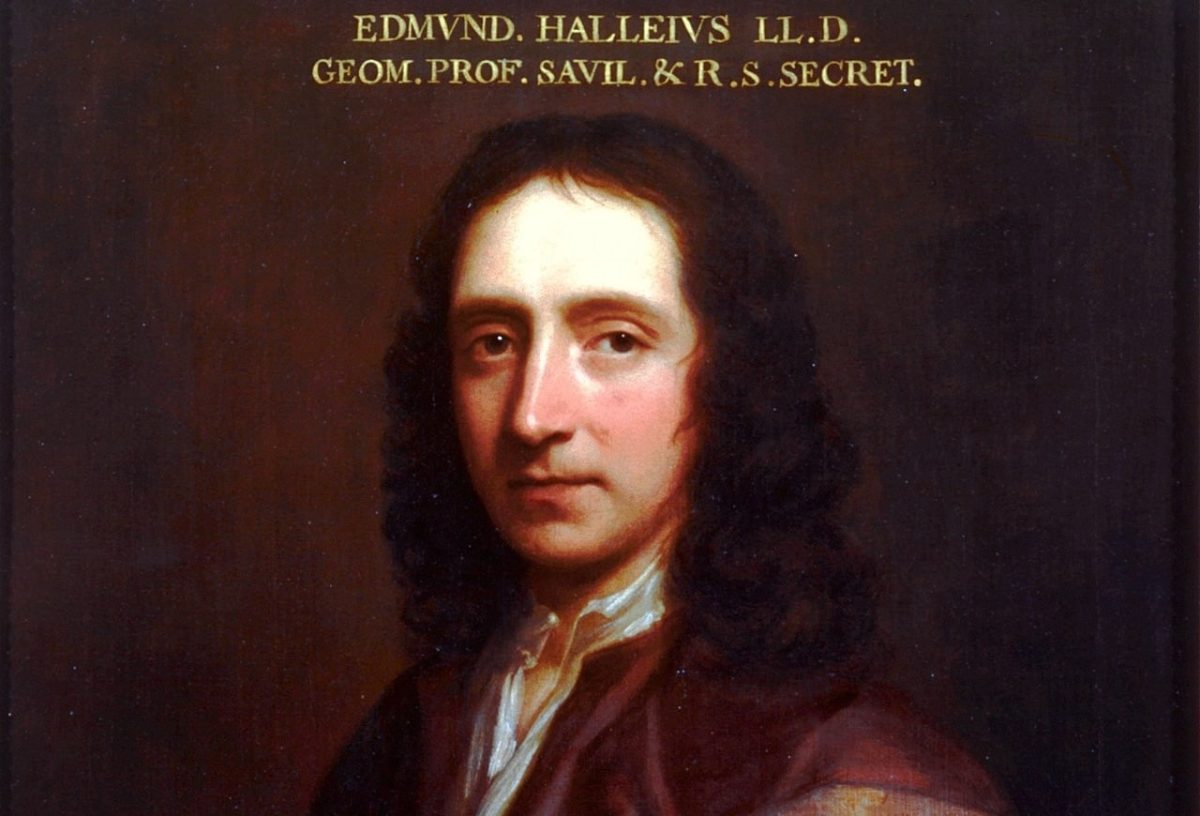
November 8 marks the 370th anniversary of the birth of Edmund Halley, one of the most distinguished astronomers of the 17th and 18th centuries. His life combined adventure, controversy, and scientific discovery in a remarkable and compelling narrative.
Halley was born in 1656 in the English town of Haggerton to a prosperous soapmaker. He demonstrated remarkable mathematical aptitude from an early age, and his parents spared no expense in providing him with an education. While attending school, Edmond developed an interest in astronomy. By the time he enrolled at King’s College, Oxford, at the age of 17, he already owned a 7.3-meter-long telescope.
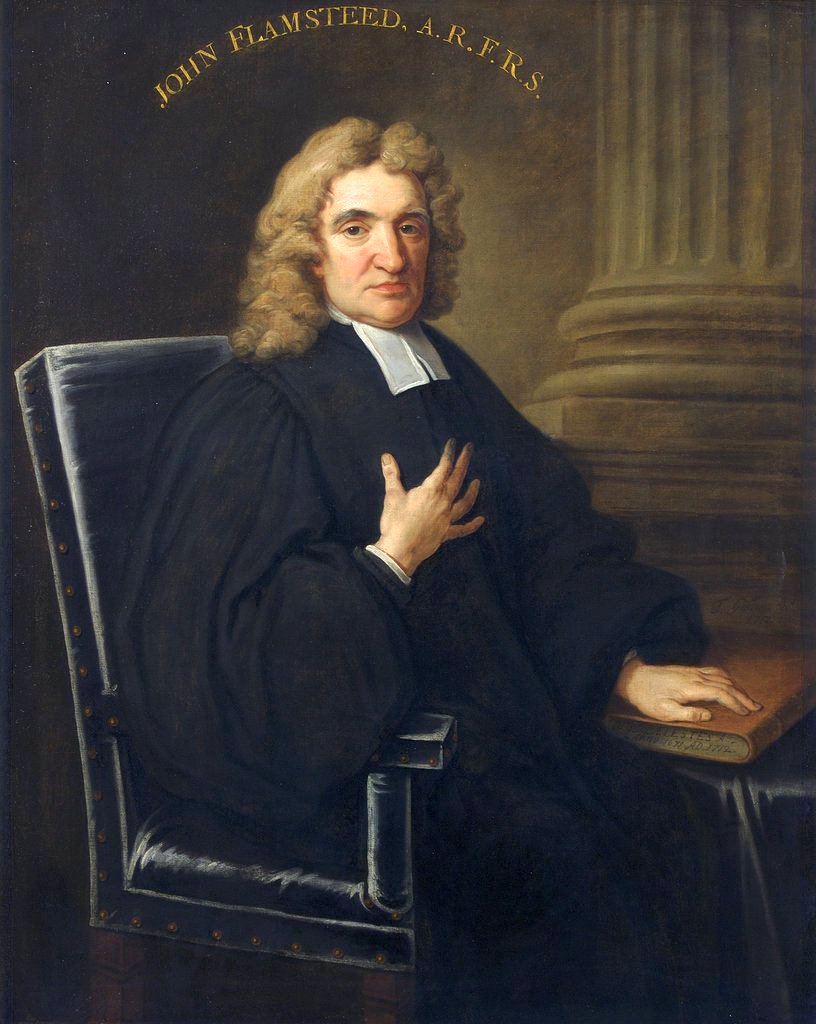
And this was no mere trifle. Shortly after Halley became a student, he published his first paper, devoted to the structure of the Solar System and the sunspots on our star. But true fame came to him at the age of 19, when he prepared a paper on the calculation of the elements of planetary orbits. It caught the attention of John Flamsteed himself, the Royal Astronomer.
These were particularly significant times. On the one hand, Christian theologians’ efforts to regulate astronomical publications were well underway. However, unlike the Catholic Church, the Anglican Church adopted a more lenient position on this issue. At the same time, the English king’s ships sailed across the oceans and required precise coordinates, which, at the time, could be determined only through astronomy.
It was at this time that the renowned Greenwich Observatory was established. From its inception, its primary objective was the precise determination of time and coordinates, a responsibility entrusted to its director, the Royal Astronomer. Flamsteed was the first to hold this position. In addition to assisting the young Halley with his publication, he introduced him, then a student, to academic circles.
It was not long before an opportunity arose for such a young and determined scientist. Flamsteed was compiling his own catalog of the stars, but his military service prevented him from being away from England for an extended period. At that time, no one had yet cataloged the stars of the Southern Hemisphere.
The necessary funding and equipment for the project were available; the sole missing requirement was a qualified individual to undertake it. That individual proved to be Edmund Halley. His journey took him far afield — to the island of Saint Helena, the same island where Napoleon would die in exile more than a century later. At the time, it was merely a small, remote landmass in the middle of the Atlantic Ocean, scarcely represented on maps.

It was there that Halley established one of the first astronomical observatories in the Southern Hemisphere, where he conducted research for more than a year. During this period, he catalogued 341 celestial objects that were not observable from Europe.
The young man returned home as a celebrated hero. At the age of 22, he was elected a member of the Royal Society, just days before receiving his master’s degree. Robert Hooke, one of the era’s most distinguished physicists, presented the catalog of stars in the southern sky to the Royal Society.
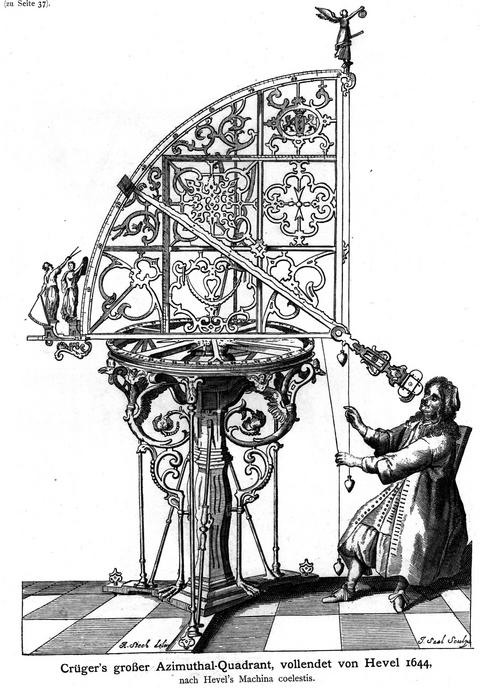
However, Halley did not remain in that position for long. As early as 1679, the scientific society dispatched him to Gdańsk, where the astronomer Johannes Hevelius had compiled an atlas of the night sky without using a telescope. Consequently, Hooke and Flamsteed questioned the accuracy of Hevelius’s observations. Upon arriving in Gdańsk, however, Halley found that they were indeed highly accurate.
Large Comets and Isaac Newton
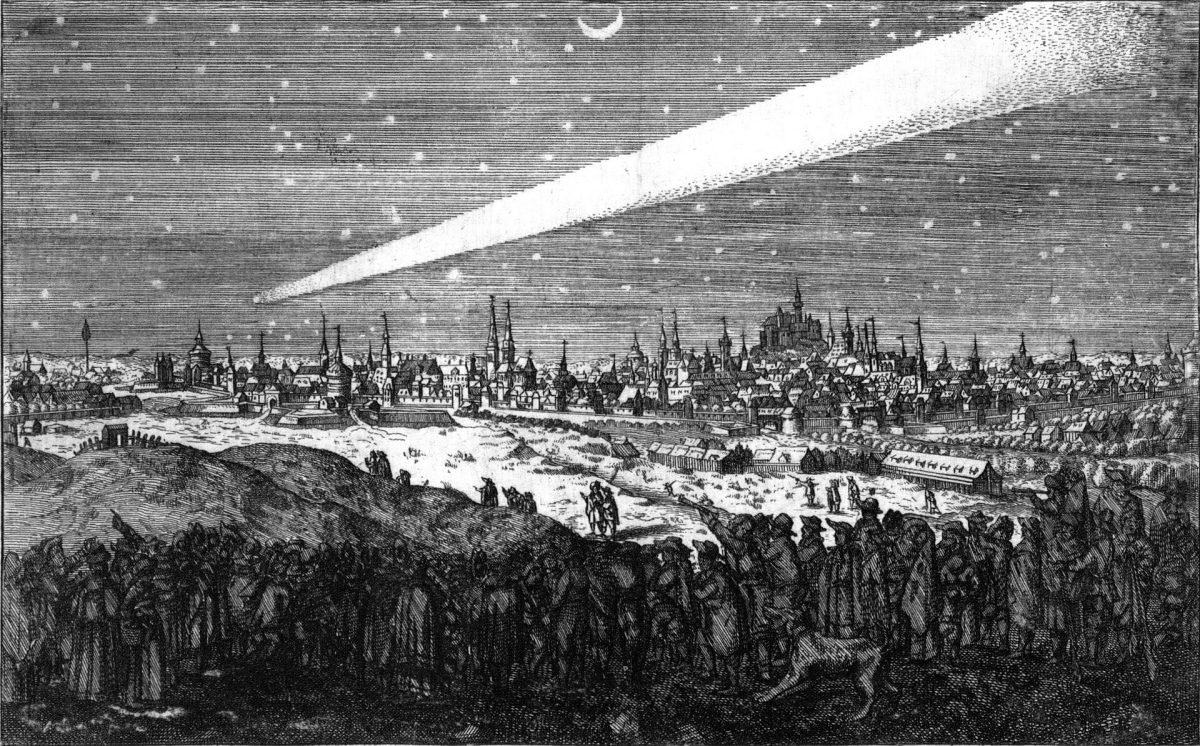
In November 1680, astronomer Gottfried Kirch discovered a comet using a telescope. It soon became not only visible but also exceptionally bright before disappearing in the direction of the Sun. Almost immediately afterward, however, another comet appeared, moving away from the Sun. This prompted astronomers to consider the nature of the phenomenon.
At the time, the prevailing view held that comets originated in the upper layers of Earth’s atmosphere. An alternative theory, however, proposed that comets were celestial bodies orbiting the Sun. The great comets of 1680–1681 accorded well with this hypothesis, provided they were regarded as a single object that had merely passed through perihelion. Halley shared this very hypothesis with the renowned Italian astronomer Giovanni Cassini, who had discovered Saturn’s moons and the gap in its rings.
However, substantiating such a claim required a substantial number of precise measurements. John Flamsteed, Halley’s teacher, achieved the greatest success in this regard and independently concluded that Kirch’s comet was of extraterrestrial origin.
Meanwhile, a third participant in the debate was Isaac Newton of Cambridge. Although he was not widely known at the time, he had also observed the comet and developed his own theories about it. It was into this very milieu that the young Halley immersed himself.
The fact is that, at that time, the only works on the motion of celestial bodies were Kepler’s, which effectively linked the periods of planetary rotation to the radii of their orbits; however, they applied only to cases with very low eccentricity, whereas comets have extremely high eccentricity. So what causes them to move in such a strange way?
Halley was fortunate: in 1682, another comet appeared, and he made the most precise observations of its motion. He recognized that the motion followed a pattern that might also explain the movements of other celestial bodies, although he did not know what that pattern was. Eventually, he shared his observations and Flamsteed’s data with Newton, only to discover that Newton had already found a solution to the problem.
These are the three renowned laws of motion and the law of universal gravitation. The scientist did not publish them for many years, leaving astronomers unaware of these findings. Halley persuaded him to make them public, thereby ushering in the era of modern physics.
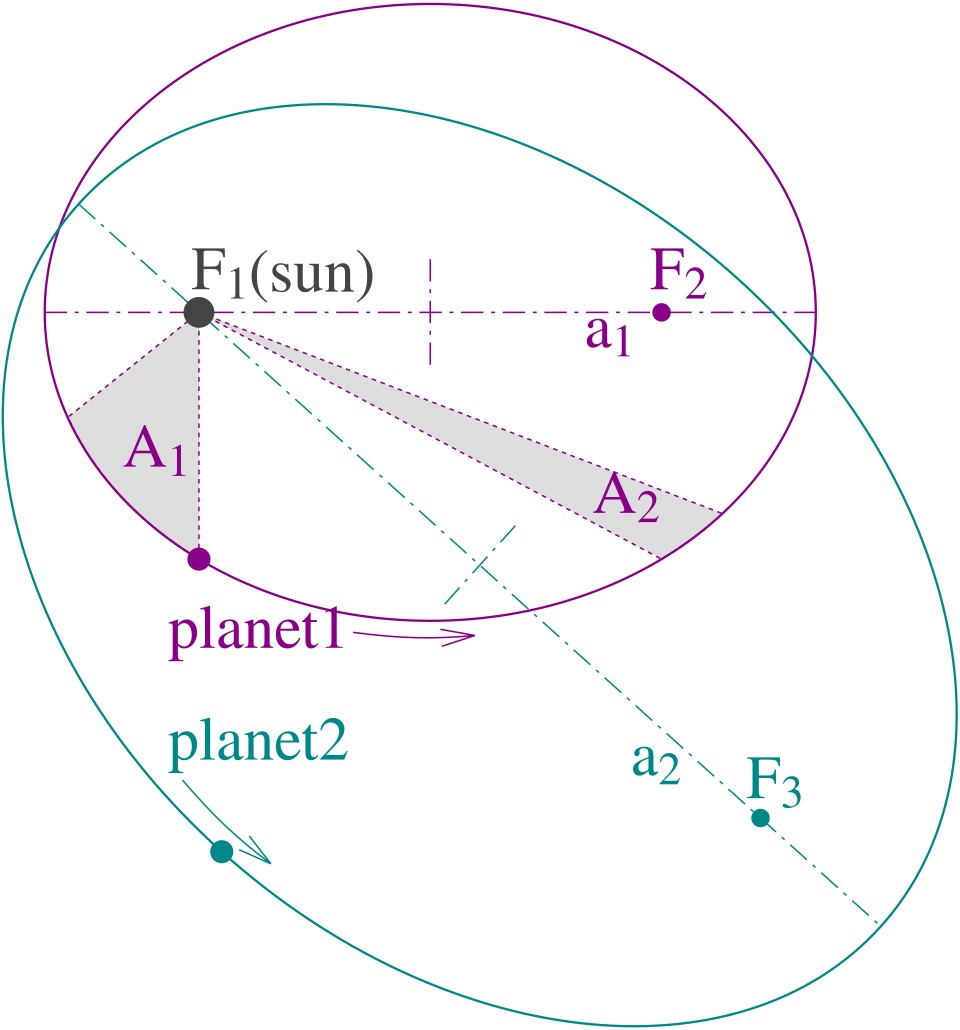
Halley also benefited from this development. He acquired a tool for analyzing cometary orbits and concluded that comets following orbital paths must return to the Sun at regular intervals. He calculated that Kirch’s comet has an orbital period of 575 years and therefore should have been observed in 531 and 1106.
As we now know, the scientist’s conclusion was incorrect; Kirch’s comet has an orbital period of approximately 10,000 years. Nevertheless, this was a groundbreaking conclusion at the time, and it brought Halley considerable fame.
Not everyone was pleased with this outcome. Flamsteed was incensed that Halley had shared his observations with Newton and that, ultimately, they received all the credit, despite Flamsteed having independently arrived at nearly the same conclusions. Their feud persisted for many years.
Winds, the magnetic field, and the Bible
Meanwhile, Halley pursued other research as well. In the mid-1680s, he completed the final portion of his observations from his expedition to the Southern Hemisphere and published an atlas of winds. In the atlas, he used symbols for the first time to make the information more accessible. Accordingly, Halley may be regarded as one of the founders of modern infographics.
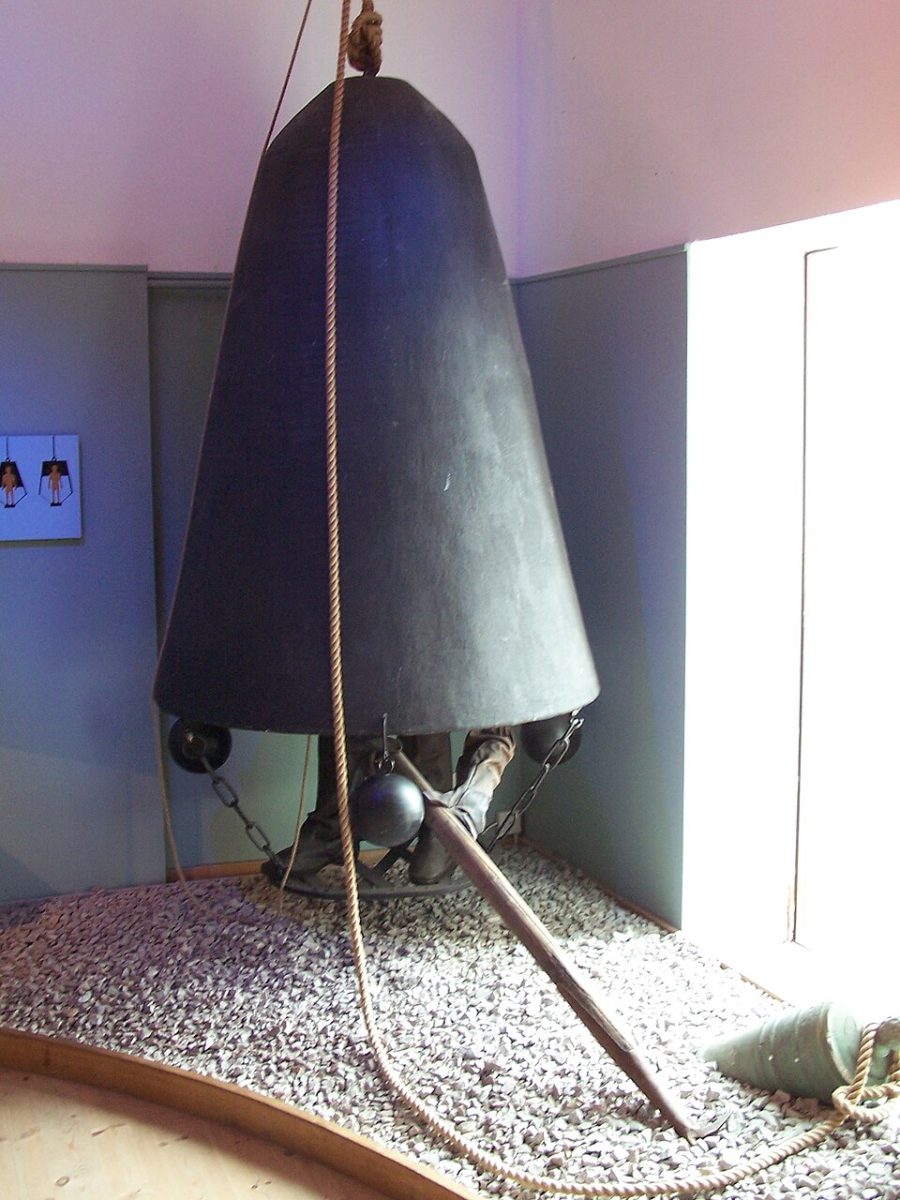
In 1691, Halley constructed a diving bell — a hollow chamber open at the bottom that could be lowered underwater while retaining air. This enabled a person to remain inside. Halley tested the device himself in the River Thames and became the first person known to have suffered ear barotrauma resulting from a change in pressure.
Another issue that had occupied Edmond since his time on Saint Helena was the Earth’s magnetic field. He developed a compass model in which the needle floated in a liquid, thereby insulating it from fluctuations.
At the same time, the researcher was interested in magnetic anomalies. To explain these phenomena, he proposed that the Earth is hollow and consists of several concentric spheres, each with its own magnetic poles and atmosphere. Halley also associated the aurora with the hollow Earth theory. He suggested that the aurora resulted from gas particles escaping from the inner spheres and interacting with the external magnetic field. Although he correctly identified the mechanism responsible for the glow, he incorrectly identified the source of the particles that produce it.
As early as the 1680s, Halley served as secretary of the Royal Society, a position that proved to be a source of considerable difficulty. In 1691, however, he was offered the opportunity to become a professor at the University of Oxford. Fully aware of his former student’s views, the professor effectively set him up by accusing Halley of questioning the biblical account of the Earth’s age and, consequently, of being an atheist.
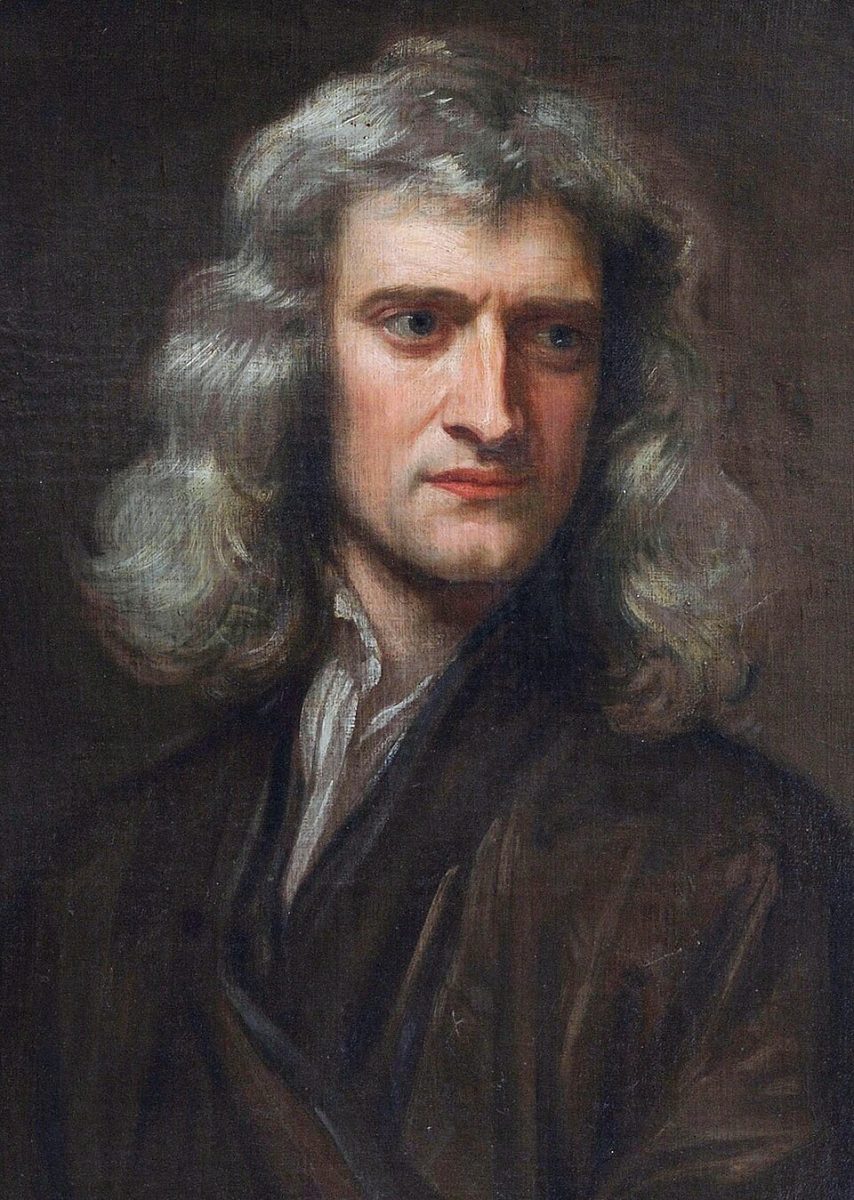
Flemsted wrote to Newton, urging him not to support Halley’s candidacy, and also appealed to Bishop Edward Stillingfleet, asking him to assess the scientist’s views. In a personal conversation, Halley made no attempt to conceal his beliefs, which bordered on atheism. Although his life was not in danger, he was regarded in society as a highly controversial figure; consequently, the professorship was awarded to another candidate.
Halley later clashed further with theologians after proposing that a comet’s approach to Earth could account for the biblical flood. Accordingly, he may be regarded as the founder not only of the hollow Earth theory but also of the broader apprehensions surrounding comets.
The bizarre life of Halley
In the 1690s, Halley was a controversial figure in English society; nevertheless, he was regarded as one of the most distinguished scientists of his time.1
For example, in 1693, he examined and analyzed death records in Breslau, now known as Wrocław, Poland. The findings of this research contributed to one of the earliest works on demography. Furthermore, Halley effectively established the method used by insurance companies worldwide to assess the probability of their clients’ deaths and, consequently, determine the need to pay benefits to their relatives.

In 1696, a real-life mystery involving Halley unfolded. Newton was appointed superintendent of the Royal Mint and secured Halley a position as deputy head of the institution’s branch in Chester.
Halley took his responsibility for overseeing coin production very seriously and soon discovered that two employees were stealing precious metal. However, when he attempted to report the matter, he found that the branch manager himself was involved in the scheme.
In 1698, an amusing incident took place. Tsar Peter I of Russia arrived in England under a degree of anonymity. Eager to meet Newton, he sought an audience; however, Newton was not particularly interested and sent Halley in his stead.
The scientist quickly established a rapport with the Russian tsar, owing to their shared interest in science and brandy. They spent many agreeable evenings together. According to a rather dubious account, on one such evening, Londoners witnessed an unusual spectacle: a drunken astronomer pushing an equally inebriated Russian monarch through the city streets in a wheelbarrow.
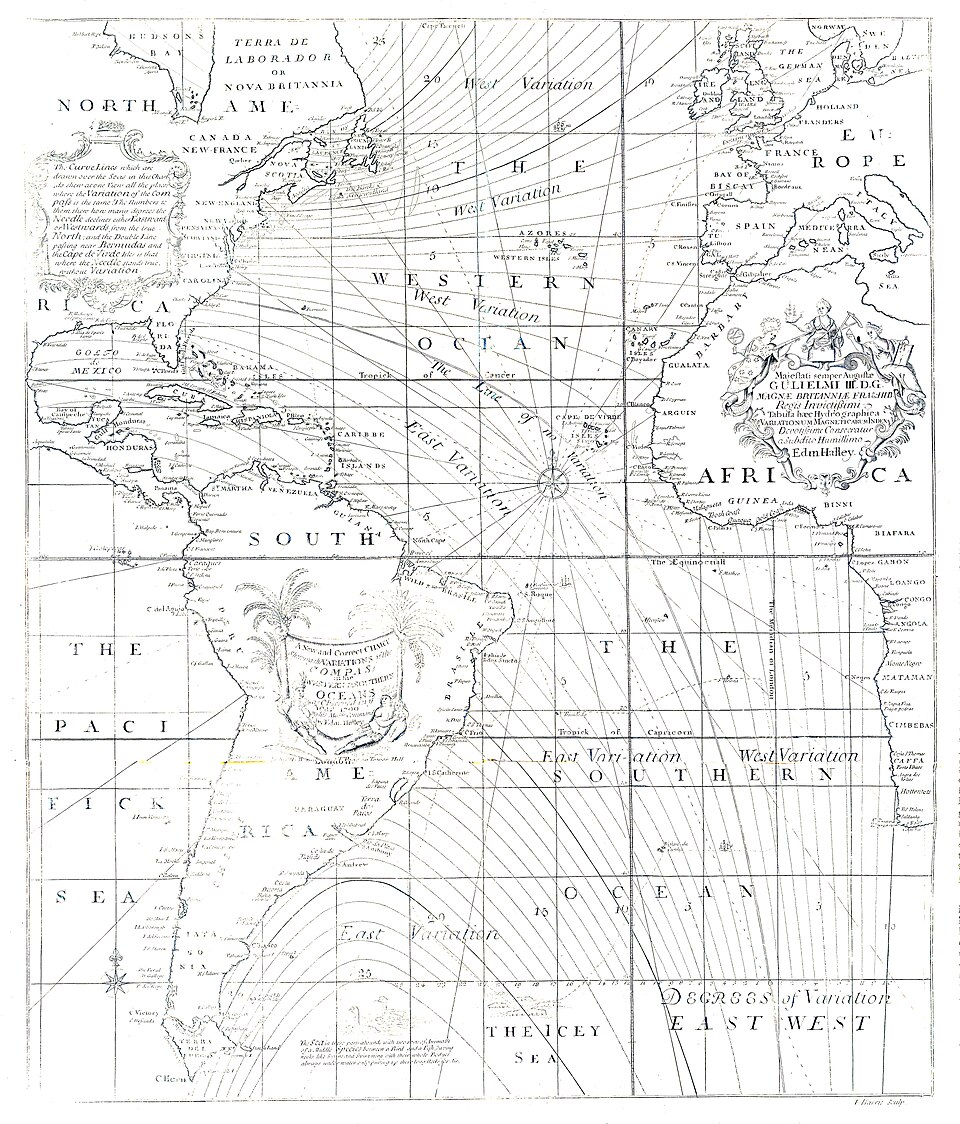
However, this period also presented more serious, though equally compelling, problems. Halley’s interest in the Earth’s magnetic field led him to propose studying and mapping magnetic declination. As is well known, the Earth’s magnetic pole does not coincide with its geographic pole. Scientists had recognized this distinction for several centuries before Halley.
However, to what extent does a compass needle deviate at any given point on Earth’s surface, particularly while navigating the ocean? Before Halley, this question had not been investigated. He proposed to the English king that the matter be studied to improve maritime navigation and received permission to conduct the research.
And not merely permission, but an entire “Paramur” pink. A pink is a large vessel designed for ocean voyages, measuring 16 meters in length and armed with six cannons. However, it remained a warship, and the sailors did not understand why they were required to obey Hall. He therefore had to return to England, obtain a temporary captain’s commission, and resume the expedition.
The collected data were subsequently published as a map featuring isogons—lines connecting points with the same magnetic declination. This was the first map of its kind. The same principle was later applied, for example, to represent average temperatures and atmospheric pressure.
The most significant scientific discoveries
In 1703, Edmond Halley was finally able to devote himself to pure science. Those who had objected to his religious beliefs had passed away, and Flamsteed had gradually become more amenable. At the age of 46, Halley was appointed professor at the University of Oxford.
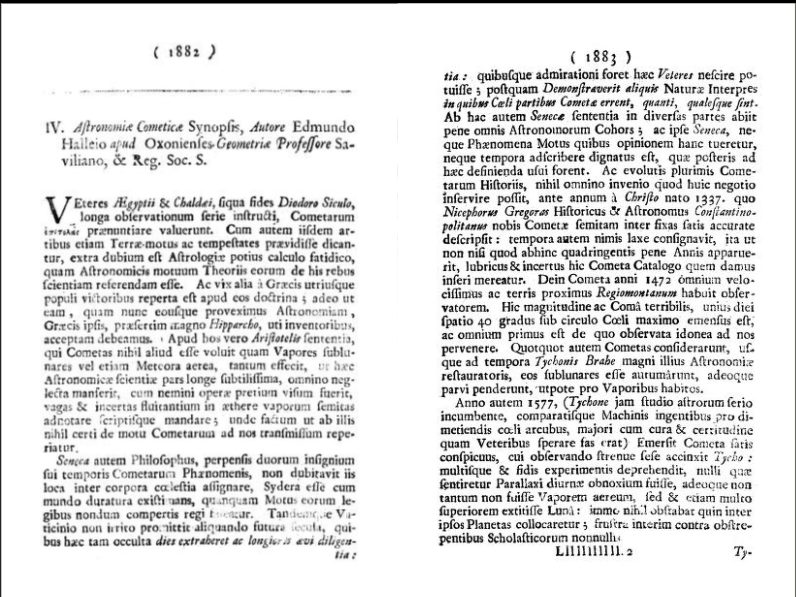
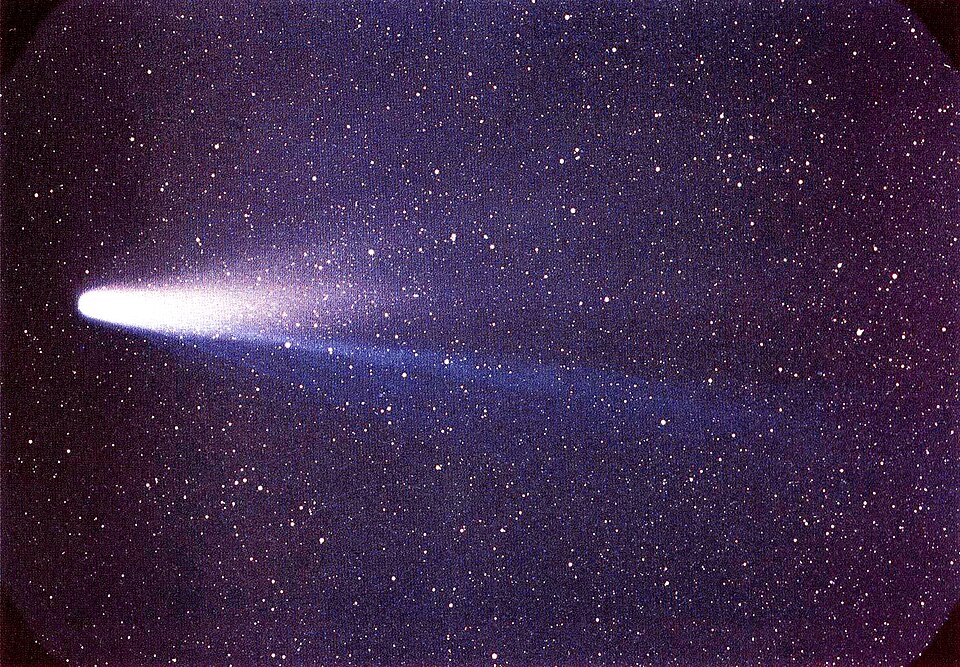
During this period, Halley pursued the independent study of Eastern languages and translated astronomical treatises from Arabic. His study of these texts enabled him to publish his seminal work on the nature of comets in 1705. In it, he made the first recorded prediction that the comet he had observed in 1682 would return in 1758. The comet is now named in his honor.
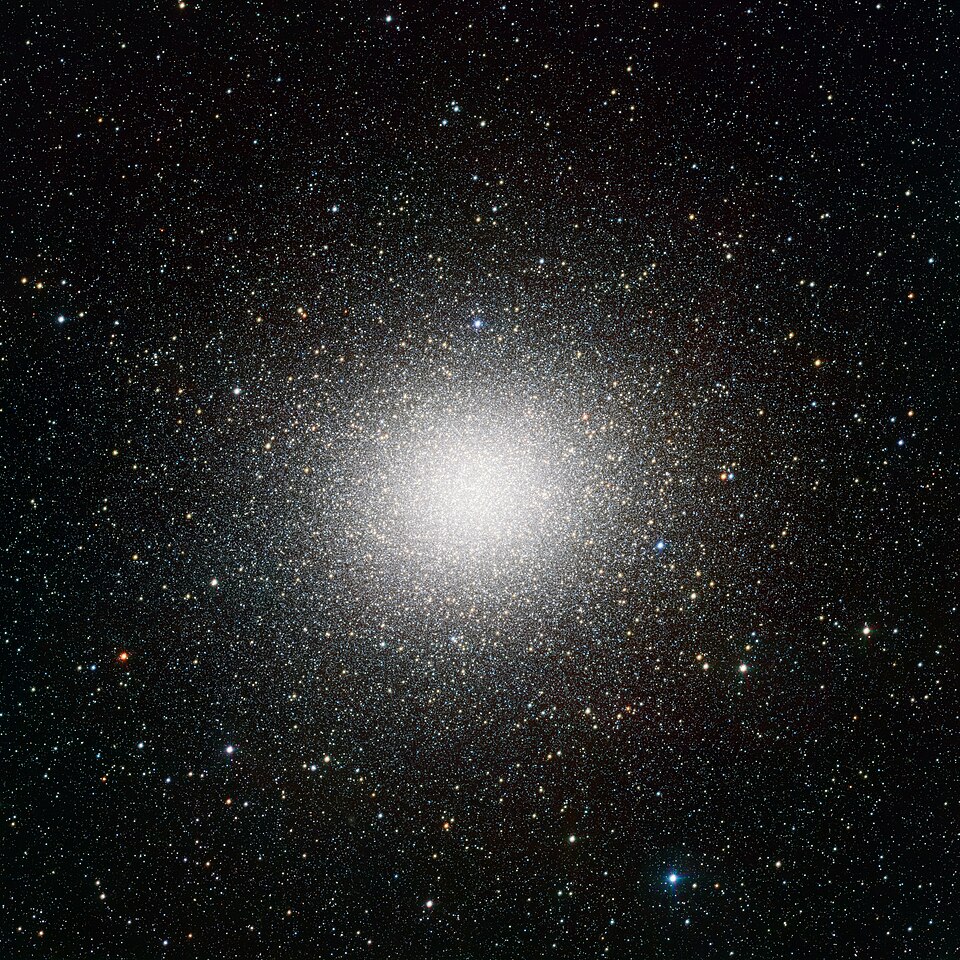
The astronomer devoted the remaining years of his life to conducting precise astrometric measurements and comparing them with ancient records. Consequently, he determined that at least two stars, Arcturus and Sirius, are not fixed but gradually change position.
This led to the discovery that stars, once believed to be fixed in place on the universe’s outer sphere, are in fact in motion. It also became evident that they are situated at varying distances from Earth and that the Solar System is part of an immense universe.
This was further supported by the existence of nebulae, which Halley was among the first to observe. He noted that they were extended objects located far out in space and that many more could be observed through a telescope.
In 1720, Halley studied Stonehenge. He hypothesized that the monument had been constructed using a compass and sought to determine its age based on contemporary data regarding magnetic declination. He consequently estimated that it dated to 480 B.C. As is now known, this estimate was off by several millennia. Nevertheless, Halley’s research demonstrated that this method could be used to date ancient structures.
In 1720, John Flamsteed died, and Halley succeeded him as Royal Astronomer. He continued in this position for a further 22 years, until his own death. The public remembered the scientist’s prediction and awaited the comet. The year 1758 arrived, but the comet did not appear. Nevertheless, through the work of Halley, Newton, and Flamsteed, astronomy had already been transformed into a fundamentally different science.
Scientists understood that the comet was influenced by the major planets and had calculated its delay in advance. On December 25, 1758, they finally observed it. Halley’s prediction proved entirely accurate, and many of his ideas were centuries ahead of their time.
