

The astronomical community is preparing to observe a rare and spectacular event. On August 5, 2026, an uncontrolled fragment of a SpaceX Falcon 9 rocket will crash into the surface of the Moon. Although the impact is the result of a deviation from the mission’s original plan, scientists hope to turn the potential accident into a unique scientific experiment. Twenty-three astronomers have already issued an appeal calling on colleagues and amateurs to join forces in observing this extraordinary impact.
How Rocket Debris Ended Up on a Collision Course with the Moon
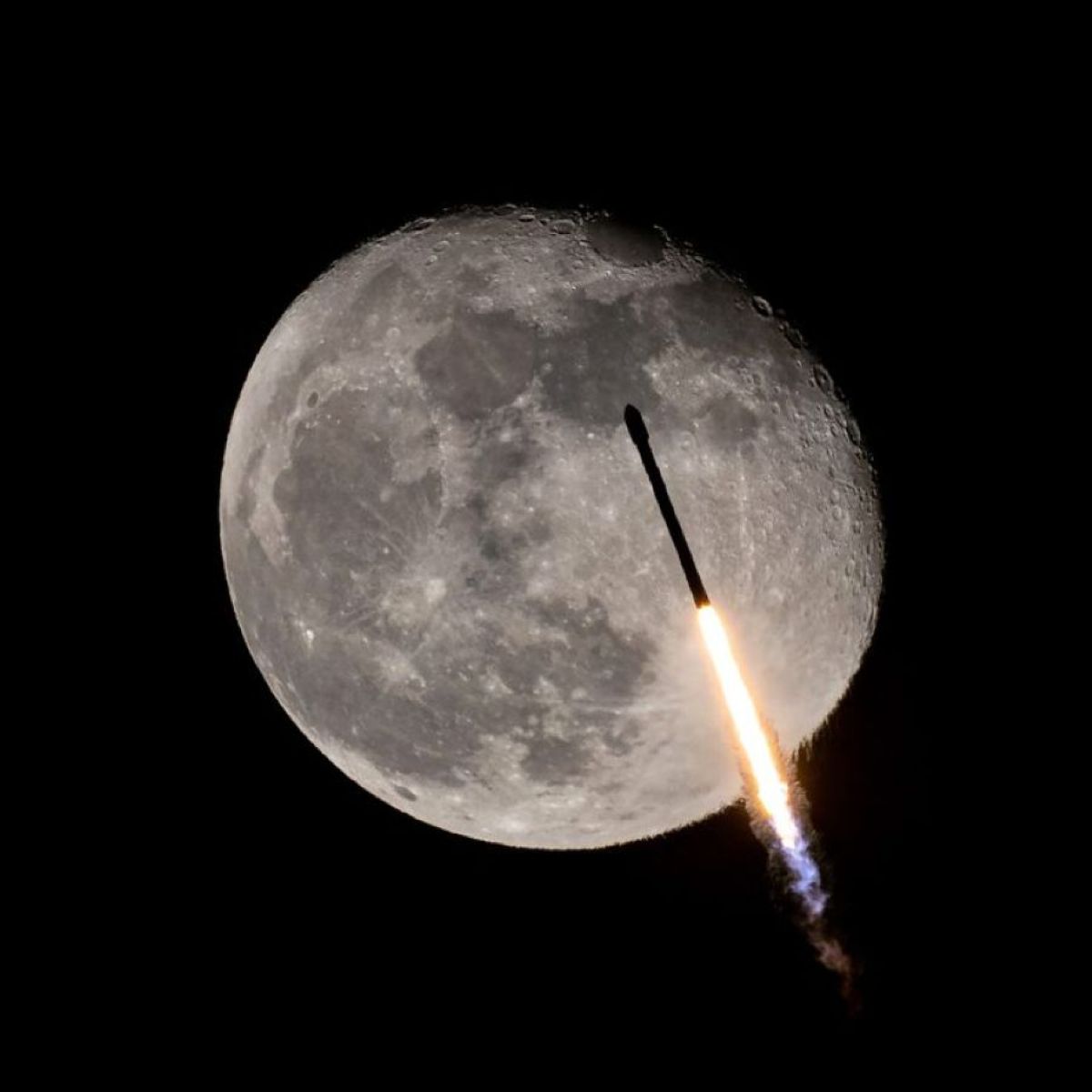
The story of this space wanderer began in January 2025, when a Falcon 9 rocket successfully sent two private landers—Blue Ghost and Hakuto-R—to the Moon. Usually, after completing the mission, the upper stage performs a controlled maneuver and burns up in the dense layers of the Earth’s atmosphere. However, this time, after the spacecraft was put on a trajectory to the Moon, there was not enough fuel for such a maneuver. The upper stage remained in a very elongated near-Earth orbit, the apogee of which reached approximately the distance to the Moon.
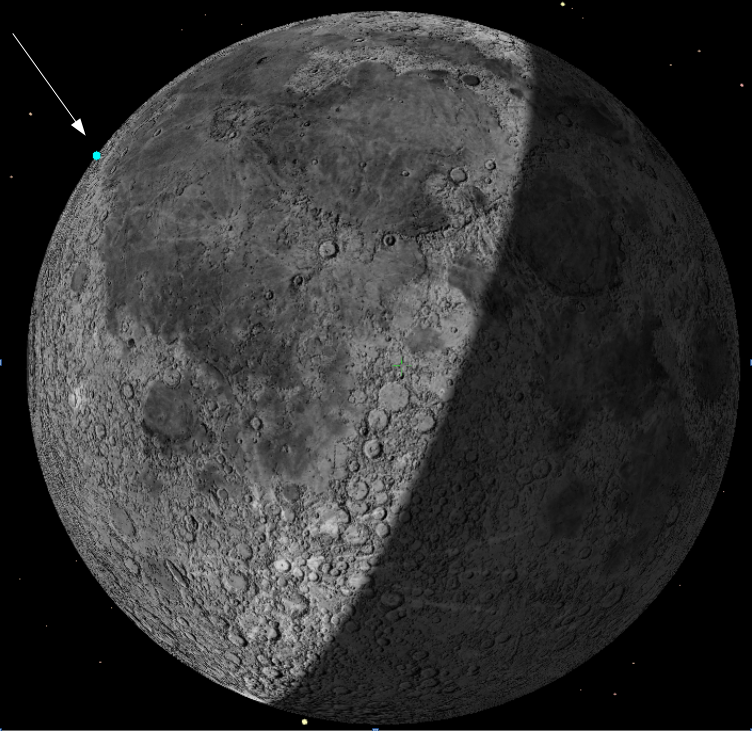
The trajectory of the artificial object was first identified by well-known amateur astronomer Bill Gray. He explained that predicting the motion of such structures is extremely difficult because, in addition to gravitational forces, solar radiation has a significant effect on the massive 4.9-ton body. Nevertheless, according to the latest calculations, the object is moving toward its inevitable end at a speed of more than 8,600 km/h. The expected impact energy will be equivalent to the explosion of three tons of TNT.
A Unique Opportunity for Observation
The impact is expected to occur near Einstein Crater. No artificial or natural collision has yet been directly recorded on the sunlit side of the Moon, so detecting the flash itself will be difficult. However, the fact that the impact will occur almost at the edge of the lunar disk creates a unique advantage. The cloud of dust and debris produced by the explosion will extend beyond the illuminated area and become clearly visible against the dark background of space.
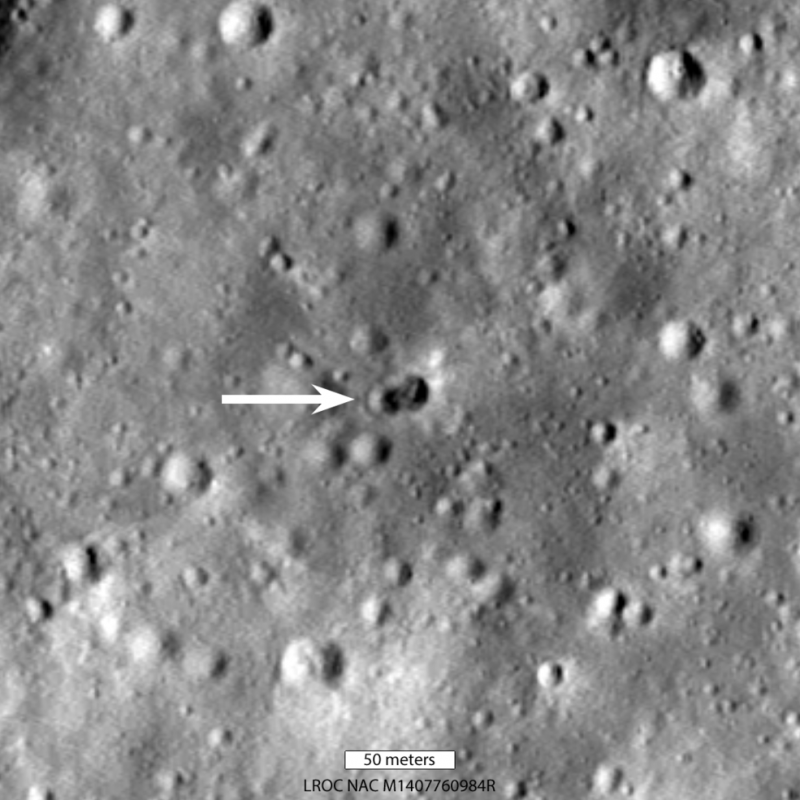
The most powerful space observatories will be involved in monitoring the event. NASA’s Lunar Reconnaissance Orbiter will photograph the area before and after the explosion, while South Korea’s Pathfinder satellite will attempt to capture the moment of impact itself. Scientists are also encouraging amateur astronomers in North and South America to participate in the monitoring using special instructions.
Protection for Future Lunar Bases
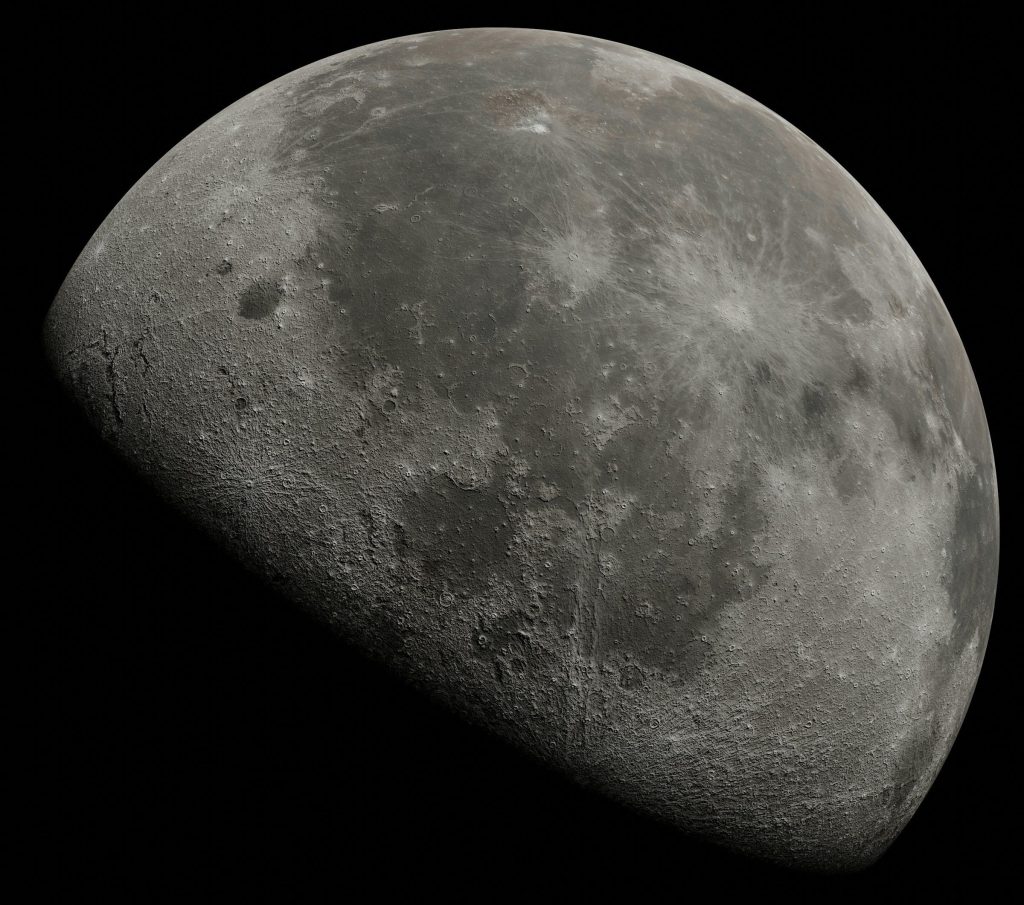
Today, as space agencies actively prepare to deploy permanent residential modules and scientific stations on the Moon, the problem of orbital debris is becoming extremely urgent. Assessing the scale of the damage caused by the Falcon 9 impact will help develop more effective systems for monitoring hazardous objects and protect future lunar bases from unwanted “visitors” from space.
According to phys.org
