

Space exploration is taking another step toward autonomy. California-based Astrolab is preparing to send its FLIP uncrewed lunar rover to the Moon’s south pole. A key feature of the mission, which will fly as part of Griffin Mission 1 (Griffin-1), will be Hewlett Packard Enterprise’s (HPE) Spaceborne Computer-4 supercomputer aboard the rover.
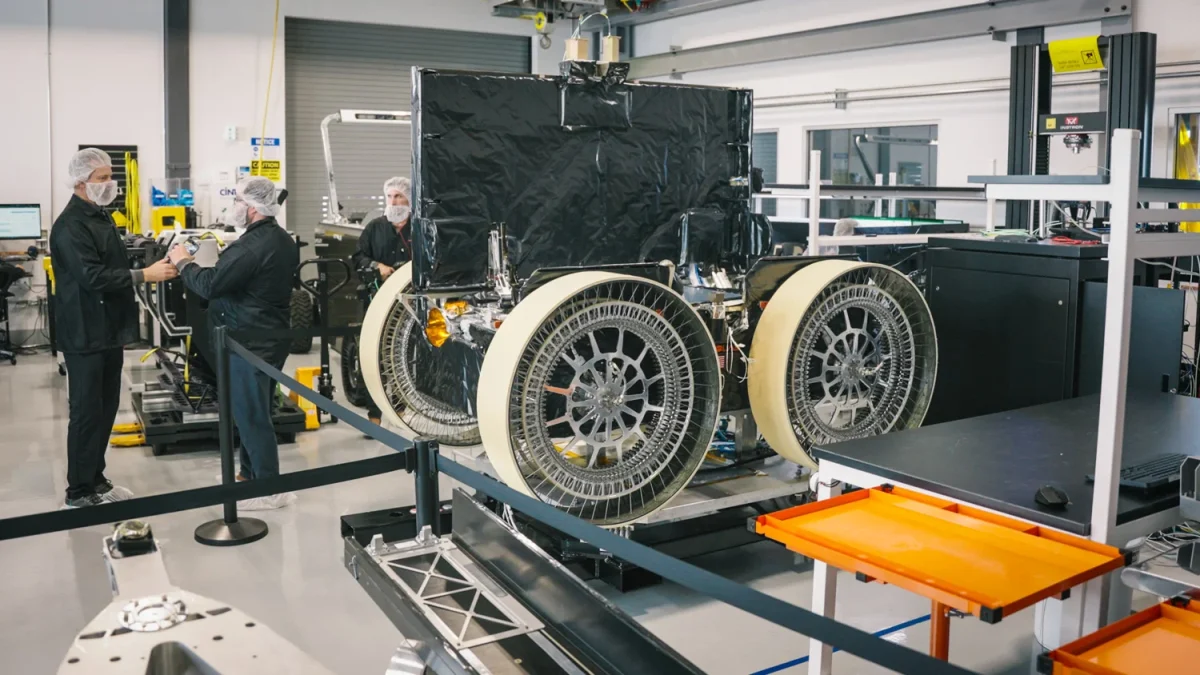
This will be the first time high-performance computing, graphics processing units (GPUs), and artificial intelligence technologies are tested directly on the surface of Earth’s natural satellite. According to Astrolab founder and CEO Jaret Matthews, the development is a step ahead of current technological trends.
Surviving an Extreme Environment
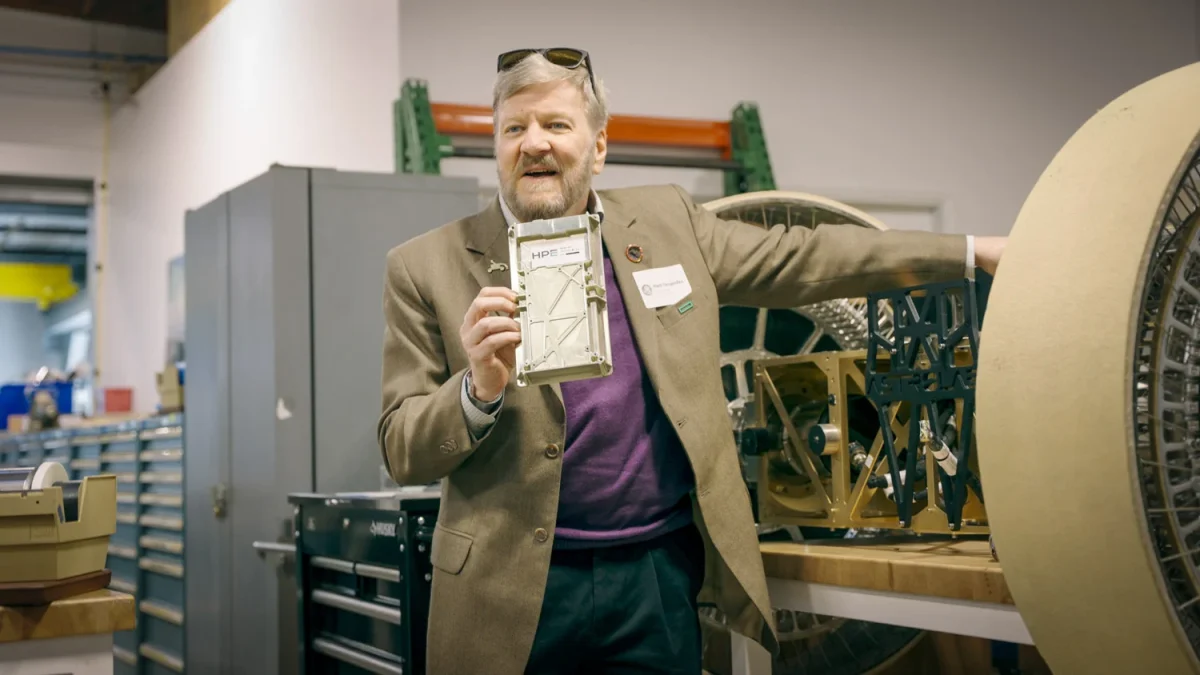
The lunar supercomputer was designed for the harsh conditions at the Moon’s south pole. Its module is made of thermally conductive aluminum: it is compact, lightweight, fully self-contained, and has no cooling fans. The system features an energy-efficient 64-bit processor and a graphics accelerator, while KIOXIA solid-state drives handle data storage. Power will come from FLIP’s batteries and solar panels, with the computer integrated into a shared thermal management system.
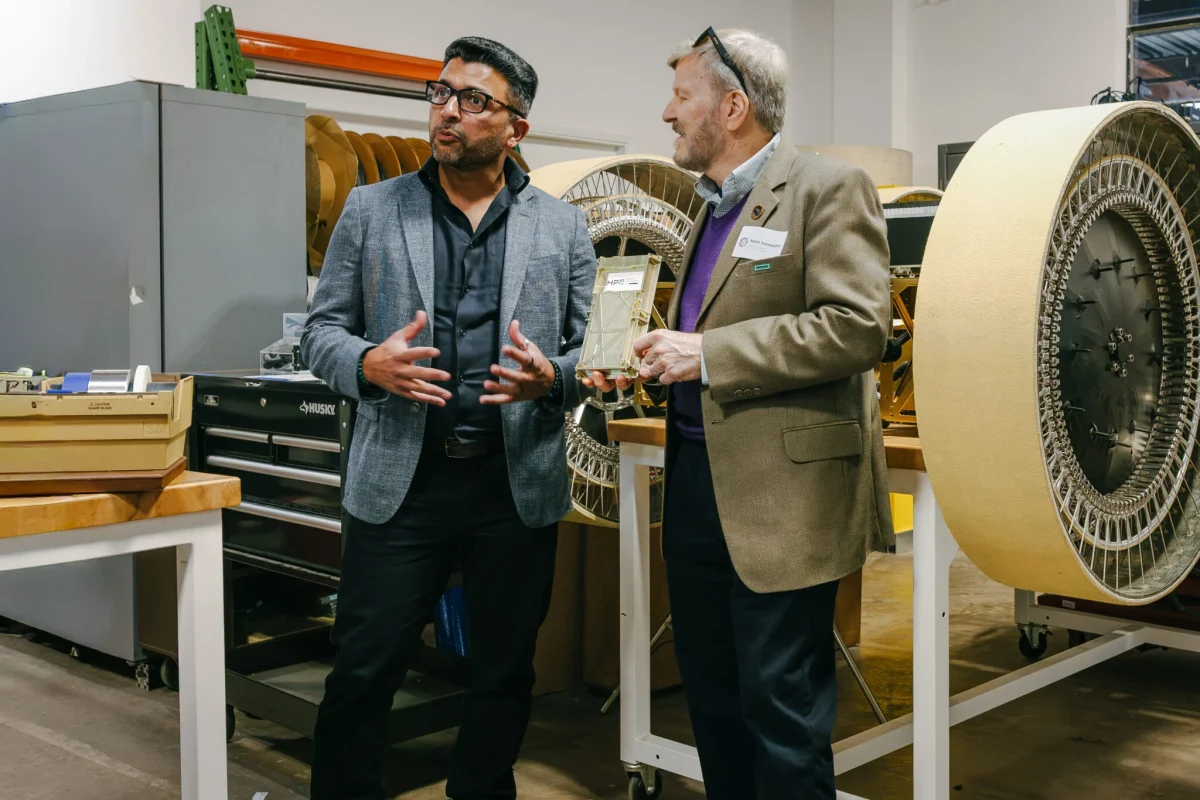
The experiment’s main goal is to determine whether such sensitive equipment can operate in an extreme environment. Engineers had to design the hardware for a full year of autonomous operation. This means the system must survive several lunar nights, each lasting more than 150 hours of continuous darkness and cold without access to solar power.
AI Instead of GPS: Bringing Martian Experience to the Moon
Beyond testing its durability, the supercomputer will process visual data, generate maps, analyze terrain, and enable semi-autonomous navigation. Since neither the Moon nor Mars has a GPS system, determining a vehicle’s location on the surface is challenging.
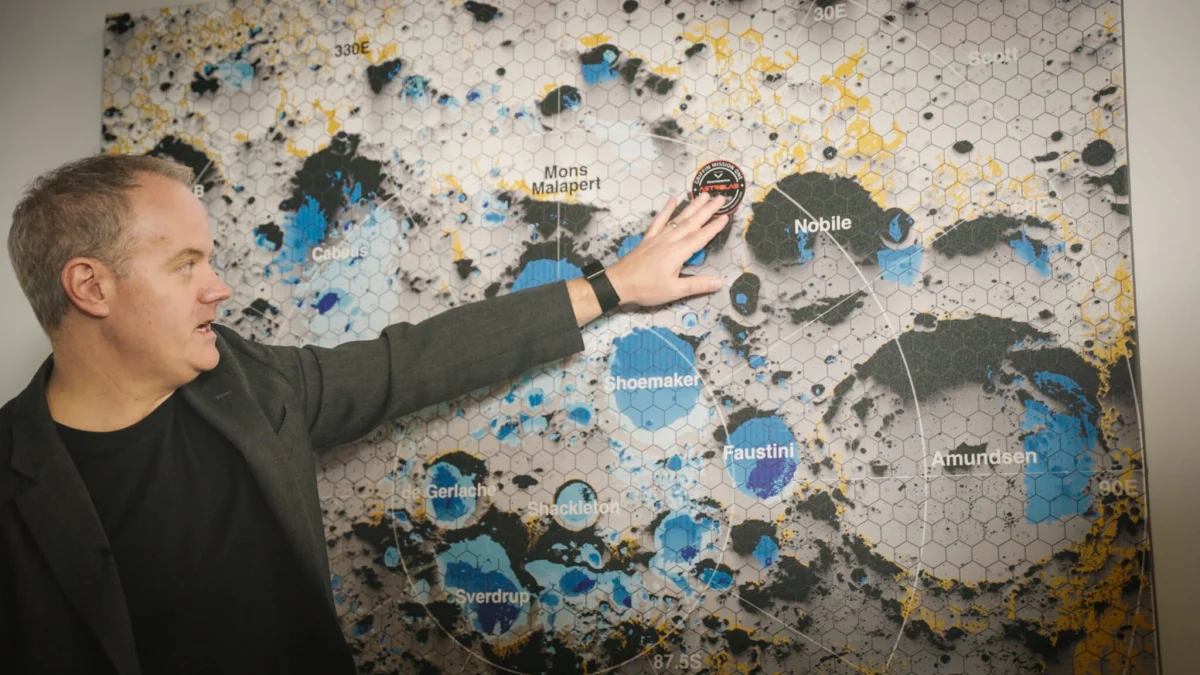
To address this challenge, the mission will use software from NASA’s Jet Propulsion Laboratory (JPL) previously tested on Mars rovers. A machine-learning algorithm will compare maps stored in the computer’s internal memory with actual images of the surrounding terrain captured by the rover’s cameras. This will allow the vehicle to determine its precise location and navigate around dangerous craters independently.
The Griffin-1 Mission’s Payload Lineup
The Griffin lander, developed by Pittsburgh-based Astrobotic, is heading to the Moon under NASA’s Commercial Lunar Payload Services (CLPS) initiative. In addition to the FLIP rover carrying HPE’s supercomputer, the spacecraft will carry:
- CubeRover—a compact microrover from Astrobotic;
- LandCam-X—an optical navigation system for precision landing;
- Nanofiche GLPH—an ultracompact digital archive of human history.
The mission’s success will pave the way for using AI during future crewed Artemis expeditions, assisting astronauts and enabling lunar bases to operate autonomously.
We previously reported on how NASA is calling for a next-generation lunar rover to be developed in just 12 months.
Based on material from storagereview.com.
