

Our Sun is an ordinary star that will eventually exhaust its fuel and become a white dwarf. For humanity, this scenario poses no immediate threat, since it will unfold billions of years from now. However, a new, harsher forecast has emerged for the distant reaches of our planetary system. Astrophysicists have found that the “end of the world” for the outer planets will come much sooner than earlier theoretical calculations suggested.
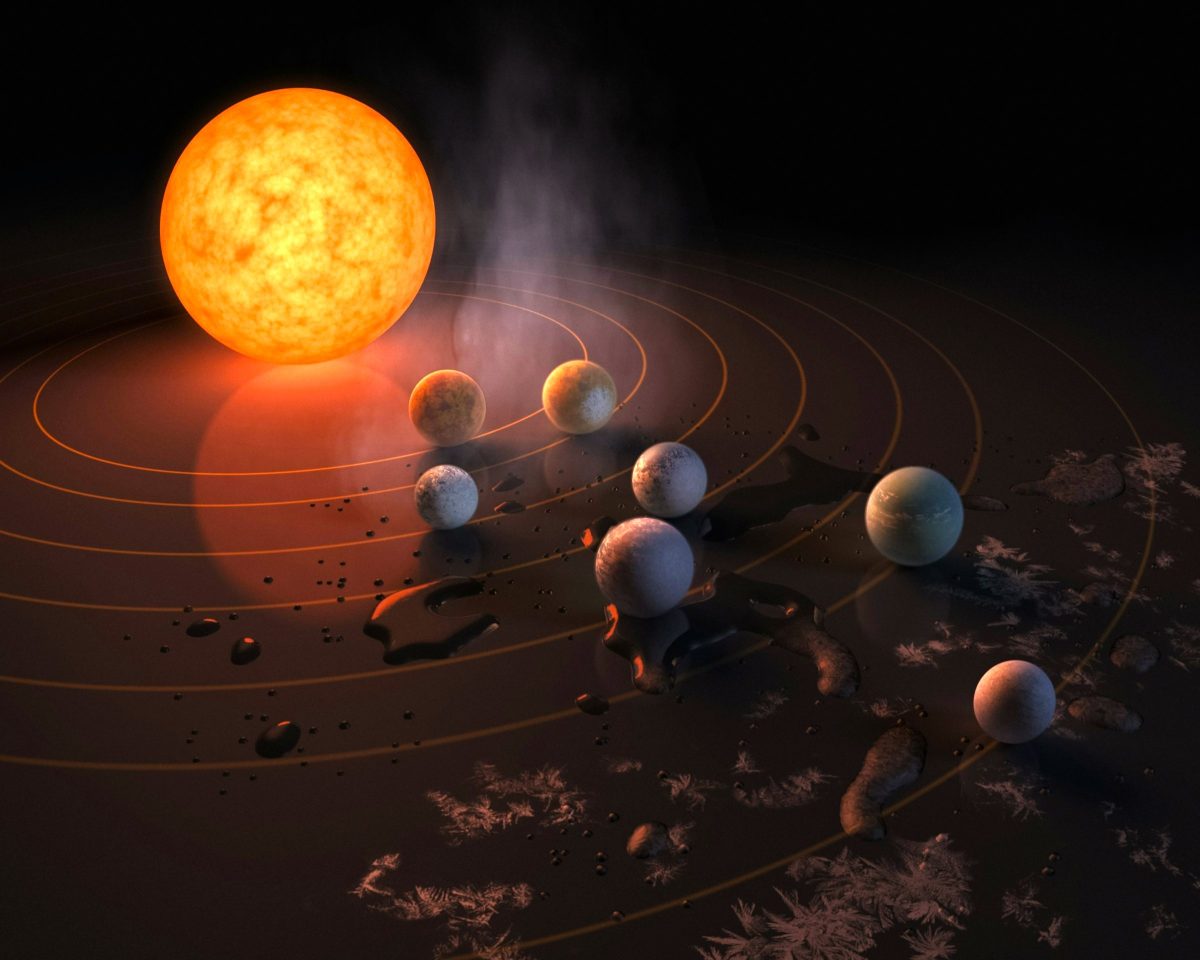
According to a new study published in The Astrophysical Journal Letters, once the Sun becomes a white dwarf in approximately 7–8 billion years, the outer Solar System will have roughly 1 billion years of stability left. This is substantially less than previous estimates, which ranged from 100 billion to 1 quintillion years.
Chaos Instead of Perfect Order
Why were the earlier estimates so enormous? As the study’s lead author, Konstantin Batygin of the California Institute of Technology, explains, scientists previously assumed that the Sun would lose mass smoothly and gradually. In such an idealized model, Uranus or Neptune could maintain their orbits for longer.

However, real astrophysics is more complicated. The Solar System’s stability depends on whether its planets follow orderly, non-crossing orbits. This is influenced by the distances between them and the network of orbital resonances. Even Isaac Newton wondered whether gravity might eventually cause planetary orbits to fall apart. Modern physics shows that planetary dynamics are chaotic and extremely sensitive to initial conditions.
Orbital Destabilization
As the Sun approaches the end of its stellar life, it will not shed matter in neat, measured amounts. Episodic, powerful outbursts of material are a much more likely scenario.
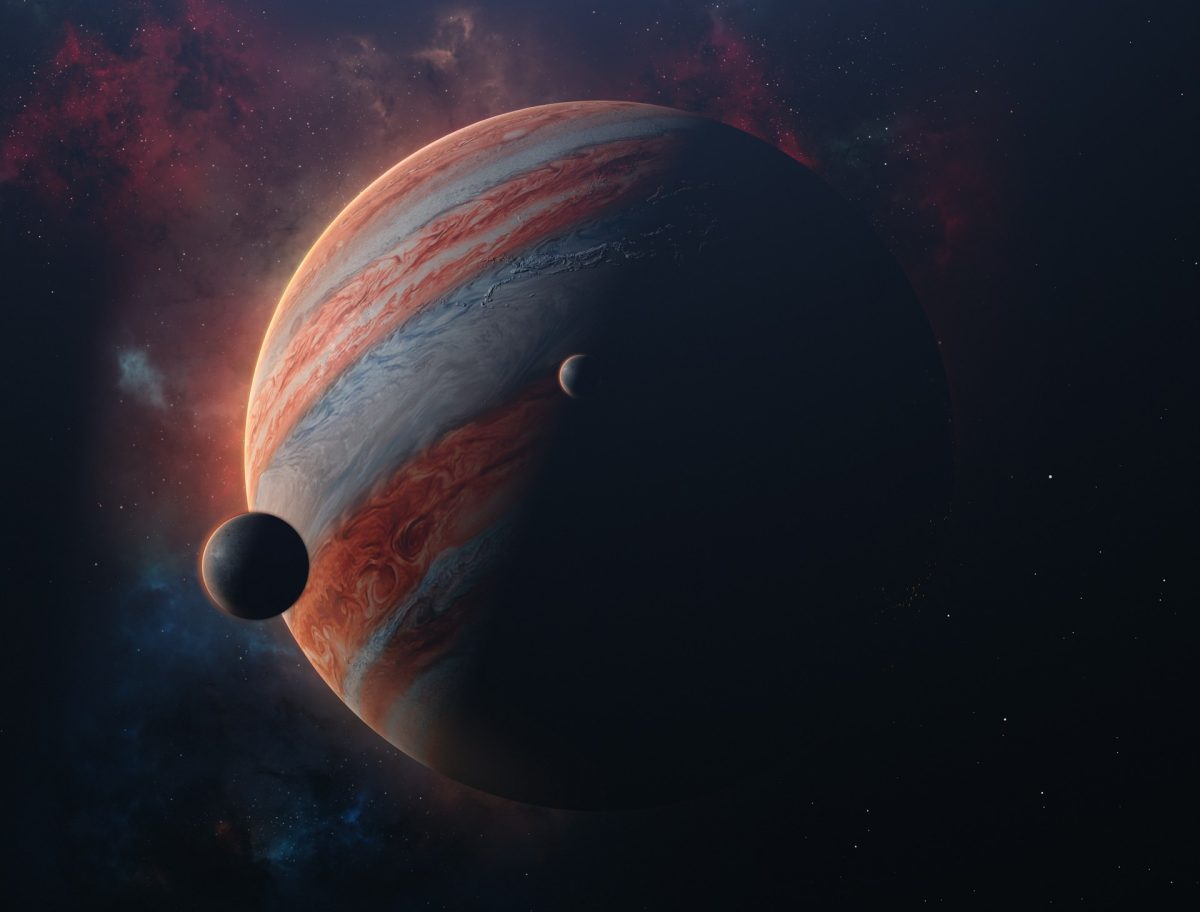
These uneven jolts will rapidly destabilize the giant planets’ orbits. To test this hypothesis, scientists ran 672 different simulations modeling the Sun’s mass loss. The researchers treated instability as a probability rather than an inevitable outcome.
Even in scenarios where mass loss occurred relatively calmly, approximately 96% of the hypothetical planetary systems descended into chaos within 3 billion years of the Sun becoming a white dwarf. The star’s death will not be an event that the planets can quietly survive while remaining in place—it will trigger the eventual disruption of their orbits.
We previously reported on how the Universe will die.
Based on material from phys.org.
